Logo Source

Graphic

Design
  • Program Credential

    Diploma

  • Program Duration

    60 Weeks

Program Overview

Jump into the dynamic world of graphic design with VCAD's Online Graphic Design program. This program is tailored for those eager to merge creativity with practical design skills, setting you on the path to a thrilling career in design.

You'll be guided by industry experts as you master the art of visual communication, typography, and layout using professional-grade software. This flexible online delivery mode ensures you can learn and create wherever you are, culminating in a polished portfolio that highlights your unique design style and skills. By graduation, you'll be fully equipped to capture the attention of future employers in the design industry.

Who should apply? 

  • Individuals captivated by the transformative power of visual design. 
  • Creative spirits keen on shaping visual identities and user experiences. 
  • Tech-savvy candidates ready to learn cutting-edge design software and tools. 
  • Visionaries eager to make their mark in branding, advertising, and digital media. 

If you're prepared to fuse your artistic vision with industry-leading graphic design skills, this program is your entry into the exciting world of professional graphic design. 

This program is certified by the Registrar of the Private Training Institutions Regulatory Unit (PTIRU) of the Ministry of Post-Secondary Education and Future Skills, ensuring high standards and quality education in British Columbia. 

For more information about our college policies, click the link below:

Student Handbook Dispute Resolution Policy - Sexual Misconduct Policy - Refund Policy - English Language Proficiency Policy

Build Skills with Industry-Standard Tools

  • Industry Tool

    Adobe Photoshop

  • Industry Tool

    Adobe Premier Pro

  • Industry Tool

    Adobe After Effects

  • Industry Tool

    Adobe InDesign

  • Industry Tool

    Adobe Illustrator

  • Industry Tool

    Adobe Creative Cloud

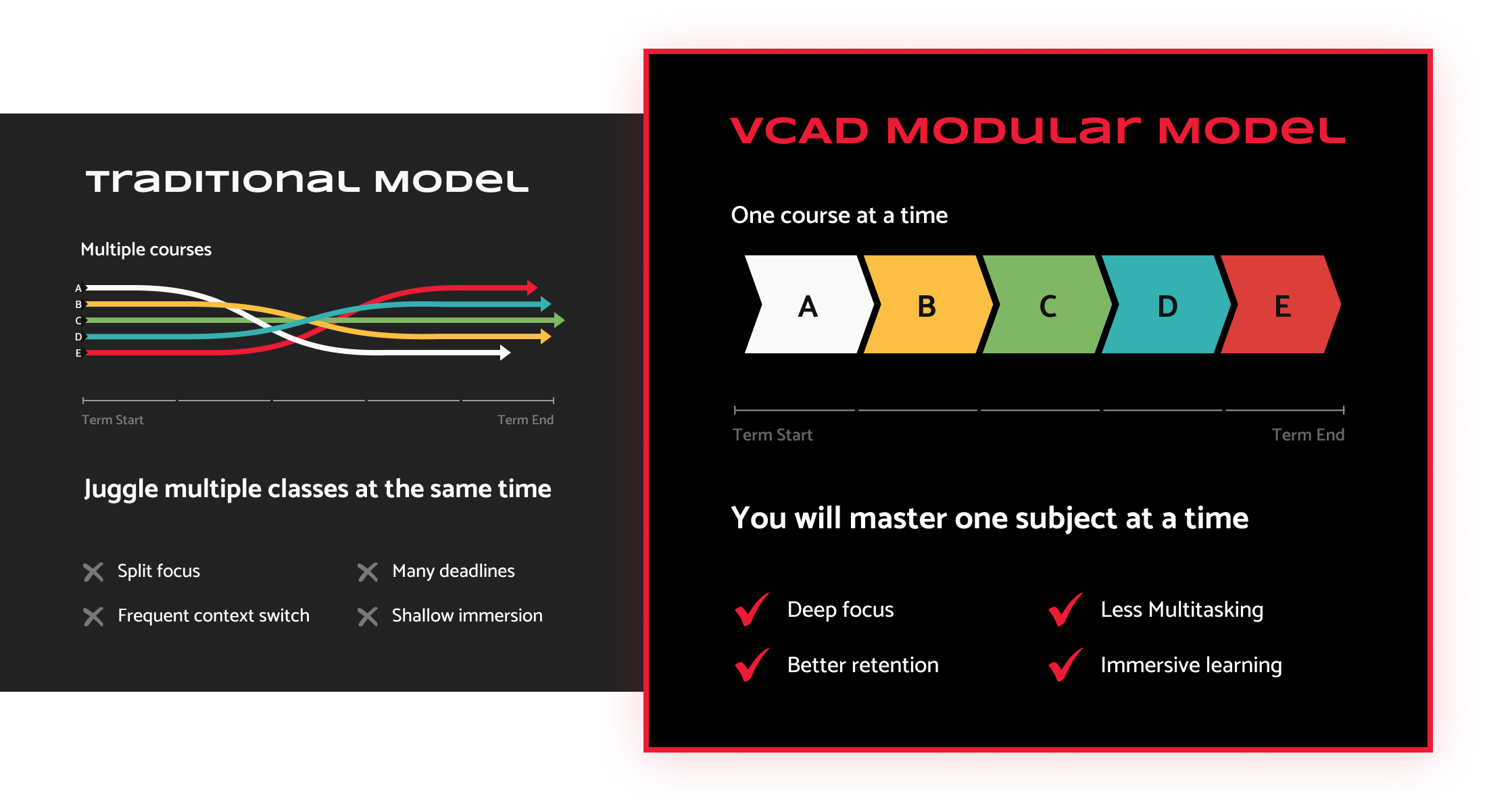
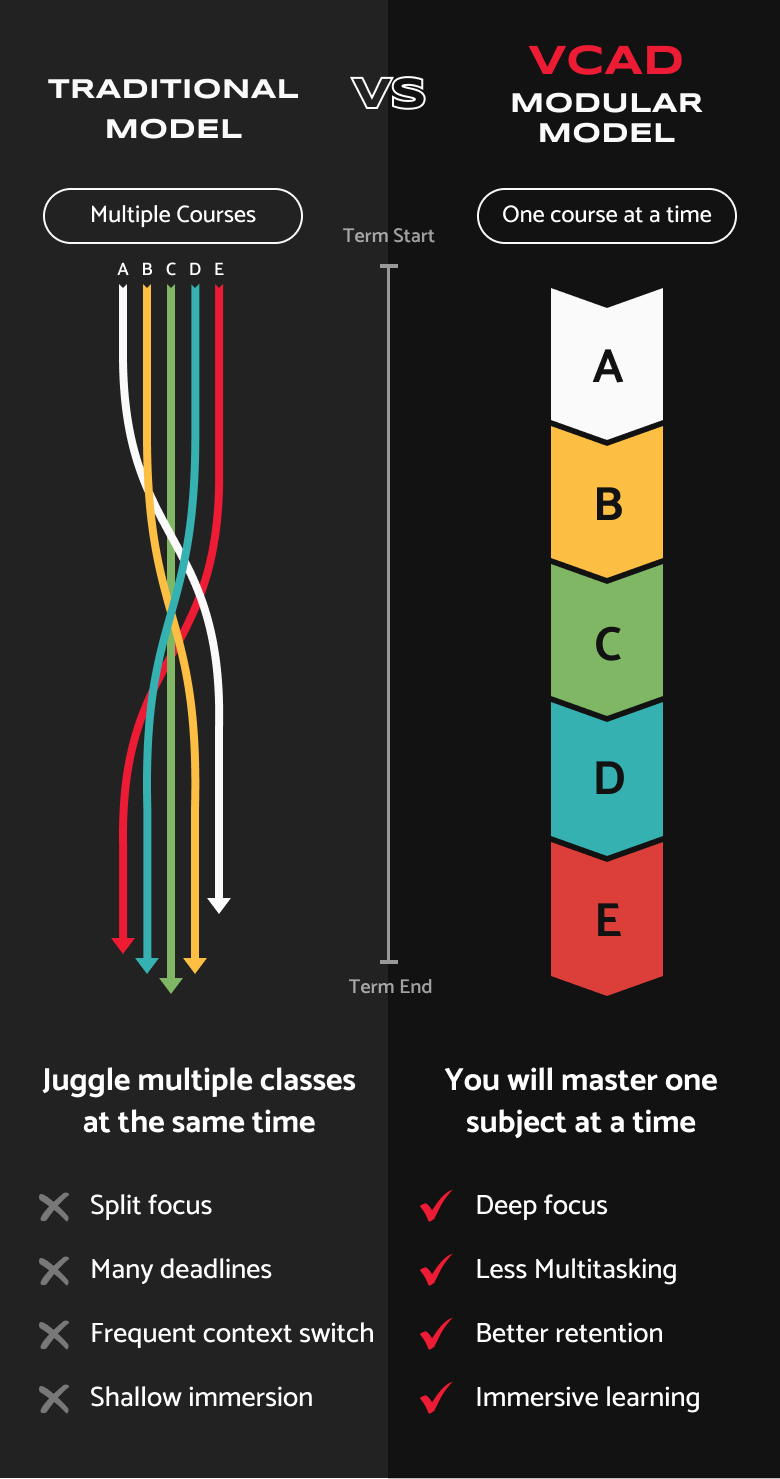
How our Autonomous Learning Model Meets Your Needs.

Do you need a schedule that works for you?

Our Autonomous Model gives you 24/7 access to course materials, so you can learn when inspiration strikes—while balancing work, life, and everything in between. Take control of your learning with an independent, self-paced experience, plus access to live support.

5%

Synchronous

95%

Asynchronous

Autonomous Model

Best for independent, flexible learning

Learning Approach: Mostly asynchronous with minimal synchronous sessions

Synchronous Sessions: One intensive synchronous week per 12-week term

Instructor Interaction: Asynchronous with periodic live feedback

Work-Life Balance: Perfect for full-time workers and busy individuals.

Feedback & Assessment: Mid-term live critique + asynchronous feedback

* This method is fully online, requiring at least 20 instructional hours per week, plus additional time for assignments and projects.

Open the Door to New Creative Connections

Explore Future Career Opportunities

  • Brand Identity Creator
  • Digital Illustrator
  • Packaging and Print Production Artist
  • Presentation Designer
  • Motion Graphics Creator
  • Set and Exhibition Designer
  • Fashion Graphic Designer
  • Freelance Graphic Designer
  • UI/UX Designer

Gain These Competitive Skills for the Industry

  • Drawing
  • Illustrating
  • Colouring
  • Typography 
  • Digital photography 
  • Packaging design 
  • Corporate design 
  • Advertising design 
  • Design full websites
  • Complete your professional portfolio 

Start your creative journey today.

No prior experience. No waitlists.

Learn from experienced instructors in a studio-like environment.

Why Students Want to Study with Us

Personalized Flexible Learning

Take control of your learning with different online and on-campus delivery models that fit your lifestyle.

Cutting-Edge Tools

Work with industry-standard software and technology, equipping you with the tools you’ll need in the professional world.

Professional Portfolios

Build a portfolio at the end of your studies showcasing your skills and preparing you for the creative industry.

Course Timeline

Every masterpiece starts with a plan! Our course timelines guide your creative journey, taking you from concept to career-ready.

Drawing I

Minus Plus

This course will focus on the development of perceptual and descriptive skills through an introduction to a variety of drawing media, techniques, and subject matter. Through this course, students will acquire a thorough understanding of the elements of art and the principles of organization as related to drawing. Students will be able to demonstrate an understanding of contour lines, positive and negative space, perspective, sighting of angles, and measurements of relationships in drawing. The course will encourage experimentation with techniques and materials, both traditional and non-traditional, and explore creative expression beyond preconceived boundaries. Students will learn the principles of perspective drawing and how to apply them.

Photoshop I

Minus Plus

In this course, students will gain an understanding of the application and importance of image editing and construction as a universal skill in across diverse design genres. This course introduces students to raster image-editing software, Adobe Photoshop. Through this 'hands-on' course, students will acquire skills with workflow fundamentals, as well as advanced features, and tips, and acquire the skills to prepare images for digital output and print. Emphasis will be placed on technical skills, however conceptual development, and creative thinking and approaches will also be considered in all work. By the end of this course, students will be able to create, modify, and enhance sophisticated images using raster editing tools, and features; craft special effects; and prepare files for export to various applications in web, mobile, print, and manufacturing.

Colour & Design

Minus Plus

This course will build students’ understanding of colour and design principles through exploration and application across media, visual, and applied practice. This course will introduce students to the fundamental principles of colour theory through design, such as layout, composition, balance, colour science and theory and teach them how to apply these principles. These concepts will be reinforced through specific practical exercises and activities that will serve to demonstrate how each of the concepts is integrated into functional and purposeful design.

Illustrator I

Minus Plus

The application of vector editing and construction is a universal skill in numerous design genres and applications. This course introduces students to Adobe Illustrator, a powerful vector image-editing software. Through this hands-on course, students will learn the fundamentals of vector design as well as advanced features and tips for preparing files for digital output and print. While emphasis will be placed on technical skills, conceptual development and creative thinking approaches will also be integrated into all work. By the end of this course, students will be able to create, modify, and enhance sophisticated vector artworks and designs using vector editing tools and features; craft special effects; work in 3D space; and prepare files for export to various applications in web, mobile, print, and manufacturing.

Applied Graphic Design History

Minus Plus

This course provides students with the insight and knowledge needed to develop a visual IQ and the capacity to analyze and create new work from historical perspectives. Students explore various periods of art and design history, with a focus on the design initiatives and themes of each period. Although the course primarily concentrates on the modern period (1789– present), it begins with ancient symbol-based designs and takes students on a comprehensive journey through to the contemporary period. The course divides the history of design and communication solutions into five pillars: symbols, lettering, type, composition, and style. This is achieved through drawing assignments that focus on historical and historicist visual outcomes, creating a living history. Additionally, the course emphasizes the Three Cs of design thinking: Concept, Creativity, and Context. Students are encouraged to write and speak about their work with these principles in mind.

Typography

Minus Plus

This course combines practical and theoretical concerns related to letterforms, fonts, type, and typography, and applies them to creative outcomes. Students will learn how typography evolved from basic symbols to the present day of sophisticated fonts and letterforms. Students will discover the fundamentals of working with type including the building blocks of type, the typographic measurement units, and typefaces for both classical and modern fonts. Outcomes will demonstrate the creative potential of innovative typographic practice, as well as a solid foundation of functional typography, its place, and its importance in visual communications and graphic design.

Photoshop II

Minus Plus

This course delves into the advanced workflow, production, and integration opportunities in raster-design software. Students will learn advanced photo editing techniques, raster-based art creation, mobile design, and additional functions within the program. The course addresses new technical skills while focusing on problem-solving and recognizing key concepts. Students will refine their ability to apply perspective, scale, proportions, contrast, colour, light, and shadow, and their roles in producing realistic photographs. Combining theoretical knowledge with hands-on projects, the course encourages students to push the boundaries of their creativity. By the end, students will have comprehensive portfolio pieces showcasing their advanced skills in Adobe Photoshop.

Digital Photography

Minus Plus

This course combines technical lessons on digital cameras and related technology with guidance on crafting bespoke outcomes and beautiful imagery. Students will explore photography as a record, narrative, and illustration, focusing on both artistic and commercial strategies and techniques. The course will help students develop compositional and photo-illustrative skills, exploring street and exterior subjects to capture public narratives and editorial records. As students enhance their technical skills and creative approaches, they will apply these in advanced design solutions, including advertising, product photography, and fashion editorials.

Illustrator II

Minus Plus

This course builds on the foundations established in Term 1, enhancing students' skills in visual design and illustration fluency in vector design and integrated vector visualizations. The focus is on developing professional-level vector illustrations across various styles tailored to each student’s professional aspirations. Technical competencies will be taught alongside art direction, market research, and creative approaches to vector design software. Additionally, students will learn to work fluidly between vector, raster, layout, and moving media software by applying their knowledge of integrated software design.

Electronic Design I

Minus Plus

This course guides students through robust typography and layout design software, emphasizing functional design over fluid or theoretical concepts. Using industry-standard composition software, students will learn to apply design principles to create innovative layout designs for various development, prototyping, and output stages. The course places particular emphasis on developing professional workflows and organization, both within digital files and in relation to outputs. This includes the applied use of unique tools such as in-project style guidelines (paragraph, character, and object styles), multi-lingual dictionaries, language style guidelines, typography, and other crucial considerations for layout design.

Concept Development

Minus Plus

This course explores problem-solving through synthetic and analytic methods, applying human-centred design to address specific design challenges faced by real-world audiences. Emphasizing design thinking techniques and tools, students will learn to conceptualize, ideate, and navigate the design process. This course integrates research, problem-solving, project development, and critical thinking, encouraging creativity to develop original solutions with a focus on audience and user experience. Students will work on projects that explore UI/UX and adapt to shifting client expectations, demonstrating their ability to illustrate unique concepts. They will also prepare for case studies by maintaining a professional project book.

Publication Design

Minus Plus

This course lays the foundation for strong art direction and content generation, essential elements in design-led publication creation. Students will be introduced to the basics of layout and planning for both print and online editorial media, covering the full spectrum of publication planning and implementation. The course focuses on designing publications that seamlessly integrate grids, typography, graphics, and colours through art direction processes, while also addressing common printing and publication challenges. Topics covered include design conceptualization and ideation for various outputs, subjects, and audiences. Technical aspects such as wire framing, planning, style guidelines, single and multi-page documents, master layout pages, colour palettes and libraries, style sheets, and the use of tables and charts will be explored in depth.

Electronic Design II

Minus Plus

This course explores the importance of workflow, technique, and technical construction methods in digital layout design. While the primary focus is on technique, the critical processes of research and development for studio projects will also be explored and supported. Topics include specific applications of layout, grids, typography, and information design. Additionally, students will learn automation workflows and design criteria for print, interactive, online, and mobile design applications, along with their integration. The course balances professional workflows, project management, and file management with practical applications. These include information visualization, style guides, rule books, and other requirements for developing professional-quality, technique-focused projects.
Packaging Design

Minus Plus

This course introduces the fundamental aspects of package design, including typical materials, design processes, and production decisions. It also covers current trends and issues in packaging. Through case studies, students will learn to combine creative design concepts with material choices to develop innovative packaging solutions. The course emphasizes the importance of user experience and explores packaging as both an individual design element and a component of a cohesive, holistic project.

Corporate Design

Minus Plus

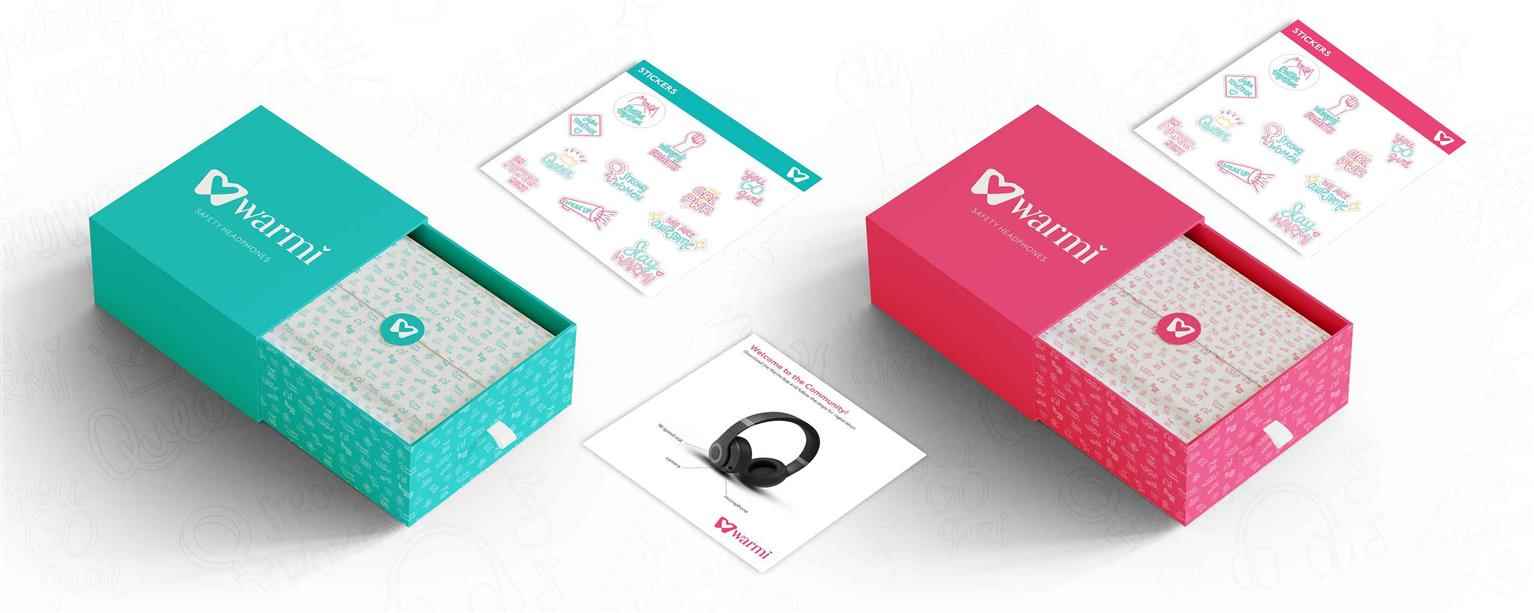
This studio-driven course focuses on developing branding and corporate identity systems, ranging from small local identities to large international brands. Students will learn about the processes and considerations involved in designing corporate logos, selecting colours, choosing typefaces, creating symbols, and developing branding elements, stationery, and other collateral materials. The course includes case studies of prominent companies and brands, illustrating how graphic design has shaped their corporate identity systems.

Advertising Design I

Minus Plus

This course emphasizes branded storytelling and narratives to recognize the strategic role of advertising, its creative potential, and its integration with other forms of design. Students will explore the role of graphic design in advertising by examining current trends in promotion and marketing, target markets, consumer behaviour, visual stimuli, advertising theories, strategies, and product placement. The course will also address the challenges involved in designing contemporary advertising collateral. Students will learn to meet deadlines, present professionally, and maintain attention to detail.

Motion Media I

Minus Plus

This course focuses on producing motion media projects using industry-standard software. Students will learn fundamental animation principles, including timing, movement, and keyframes. The course covers video and motion graphic integration, compositing, camera tracking, and professional workflows. Through practical exercises and projects, students will explore motion design principles such as spacing, timing, and rhythm, and develop skills in visual storytelling and animation techniques.

Communications for Graphic Designers

Minus Plus

This course provides students with the essential communication skills needed to thrive in the graphic design industry. It focuses on developing both written and oral communication abilities, as well as other "soft skills" crucial for professional success. Students will engage in practical exercises to enhance their ability to articulate ideas clearly, present their work effectively, and interact professionally with clients and colleagues. The course also addresses strategies for effective teamwork, problem-solving, and adaptability in the workplace.

Web Design I

Minus Plus

This course introduces the fundamentals of website design and development. Students will learn about the structure and components of code-based languages, such as HTML and CSS, and website programming, such as JavaScript. The course will focus on learning to work with text, tables, tags, images, forms, hyperlinks and script to design, and create a fully functional interactive website. UI / UX Design (48 Hours

UI / UX Design

Minus Plus

This course introduces the fundamentals of UI/UX design and explores the role that graphic designers play in shaping user experiences. Students will delve into the principles of designing meaningful and effective interfaces using colour, typography, size, shape, and imagery to ensure clarity and consistency. Through hands-on projects and real-world examples, students will develop practical skills and gain valuable experience in both UI and UX design, preparing them for professional roles in the field. By the end of the course, students will be able to create functional and aesthetically pleasing interfaces that enhance user interaction and satisfaction.

Advertising Design II

Minus Plus

This course delves into the strategic role of graphic design in advertising across digital and mass media platforms. Students will create effective layouts for various screens, applying design principles such as balance, contrast, and harmony, and exploring the relationship between brand and design layout in print and online media. The course covers current trends in promotion and marketing, target market establishment, consumer behaviour, visual stimuli, and advertising strategies. Emphasis is placed on meeting deadlines, professional presentation, and attention to detail in advertising collateral design.

Motion Media II

Minus Plus

This course explores the creative and technical possibilities of motion graphics, focusing on key concepts like motion theory, design principles, and composition. Students will learn advanced animation techniques, along with the fundamentals of visual effects and timing. The course covers rendering for various media platforms and emphasizes the development of advanced skills in the Motion Graphics industry. Through handson projects, students will apply these techniques to create dynamic visual compositions, incorporating animation, compositing, and other essential motion graphics techniques.

Business for Graphic Designers

Minus Plus

This course provides an introduction to becoming a Freelance Graphic Designer, focusing on essential skills and qualifications. Students will learn about establishing a sustainable design practice, including client relationships, pricing, proposals, and billing. The course also covers the rules for professional conduct, emphasizing professional standards, legal responsibilities, intellectual property rights, and ethical considerations. Additionally, it includes practical knowledge for administering a design consultancy, such as business planning, financing, regulatory compliance, and business succession planning.

Web Design II

Minus Plus

This course is designed for students with foundational knowledge from Web Design I, focusing on understanding the complete design process from concept to completion. Throughout the course, students will explore advanced techniques in research, information architecture, wireframing, prototyping, and creating responsive websites. Emphasis will be placed on developing user-centered designs and using Content Management Systems (CMS). By the end of the course, students will have designed and built a fully functional, responsive online portfolio website.

Portfolio Development

Minus Plus

This course is designed to prepare students for transitioning into the professional world by outlining industry expectations. Students will create and refine design pieces according to industry standards to include in their final digital portfolios. The course will focus on various approaches to developing a digital portfolio, helping students stand out in their field. At the end of the program, students will present a professional digital portfolio, showcasing design work completed both in school and externally, if applicable, to a panel of peers, faculty, and industry experts.

Learn about our University Pathways

VCAD partners with leading institutions to empower graduates into pursuing a Bachelor's degree.

Click here to learn more.

Pathway 1 Pathway 2

Testimonials

Red Quote

I love creating. Graphic design is all about creating. The most important thing I learned was how to use the software.

Deepak Bains

Graphic Design Graduate

Red Quote

I am in the Graphic Design Diploma Program and this school has been nothing but amazing. The admissions team have made it so easy to register and get going.

Program Icon

Christal D.

Red Quote

I just enrolled at VCAD for the Graphic Design Diploma Program, and I’ve never had such a positive, inviting experience at a school. The admissions team helped with everything that needed to be done step by step. I strongly recommend coming in to check the school out!

Program Source

Kassidy S.

Red Quote

VCAD is a great school! My 5 stars go out to the admissions team, and they help with my financial aid. I am so grateful for their dedication and patience!

Program Logo Source

Jessica H.

STUDENT PORTFOLIOS

Our Instructors

Behind every great mind is an inspiring mentor. Meet the creative visionaries who will spark ideas, fuel your passion, and uplift your talent.

FAQ's

How long does the program take?

You can find the length of your program on our website under programs! If you have further questions regarding the length and hours of any of our offered programs, please click here to speak to an admissions representative.

What is the cost of my program?

To learn more about tuition at the Vancouver campus, the Calgary campus, and the Online campus, click here. For international student tuition, click here.

Online Studies

Programs may be available in various modalities. Please refer to the specific program page to learn more. Visit our Online campus page to learn more!

Loans and Grant Information

Our experienced Student Financial Planners can provide further information on program funding, such as available scholarships. You may also refer to your provincial funding webpage for more information. 

Start Dates

Our campuses offer a variety of start dates. To learn more about our upcoming start dates, please reach out to your campus of choice.

School and Program Accreditation

VCAD Calgary offers vocational training licensed under the Private Career Colleges Branch of Alberta Advanced Education.

VCAD Vancouver and Online programs were reviewed and approved by the Registrar of the Private Training Institutions Regulatory Unit (PTIRU) of the Ministry of Post-Secondary Education and Future Skills, which regulates private training institutions in British Columbia.

Ready to Take the Next Step?

Click below to learn more or apply today. Our team is here to help you start your journey.

Get Started