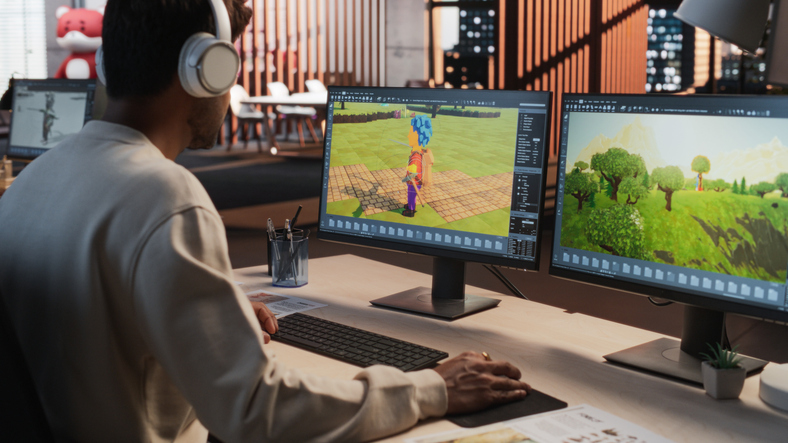
The use of AI in 3D modeling and animation has become one of the most important shifts in the digital arts industry. What once required massive teams, expensive hardware, and long production timelines can now be accelerated or enhanced through carefully designed artificial intelligence tools. Yet, even with these advances, one thing remains clear. AI changes the workflow, but it does not replace the artist. Instead, AI expands what is possible for creators working in film, television, gaming, virtual production, advertising, and emerging digital spaces.
For aspiring artists who want to enter this field, this is a transformative time. Studios are experimenting with new technologies. Job roles are evolving. And education is adapting to prepare students for a future where AI is a powerful creative partner. Schools like the Visual College of Art and Design’s 3D Modeling Animation Art and Design program continue to focus on the artistic foundations and technical skills that help graduates succeed on day one, regardless of how technology shifts.
This detailed guide explores how AI is used in 3D modeling and animation, how it affects production workflows, what skills remain essential for artists, and why strong creative training is still the foundation for a successful career.
Understanding the Use of AI in 3D Modeling and Animation
Artificial intelligence touches almost every stage of the 3D production process. Whether an artist is building a character model, animating complex motion sequences, or preparing an environment for rendering, AI supported tools help eliminate repetitive steps and allow creators to focus more on storytelling and design.
However, it is important to understand what AI actually does. AI does not imagine. It does not decide. It does not judge the artistic quality of a scene. AI analyzes patterns, predicts likely outcomes, and automates procedures that previously required time-consuming manual effort. It is a support system, not a replacement for artistic skills.
Below are the core areas where AI has made the most impact.
AI in 3D Modeling: Faster Prototyping and Smarter Tools
The use of AI in 3D modeling has grown rapidly because modeling is one of the most technical and time-consuming parts of the pipeline. AI helps artists build assets faster while still allowing room for refinement and creativity.
1. Text to 3D model generation
New tools can convert written prompts into 3D objects. This has opened the door for rapid prototyping where artists can instantly visualize concepts before rebuilding them with proper topology and detail. The generated models usually require cleanup, but having a starting point saves hours of early design work.
2. AI assisted sculpting
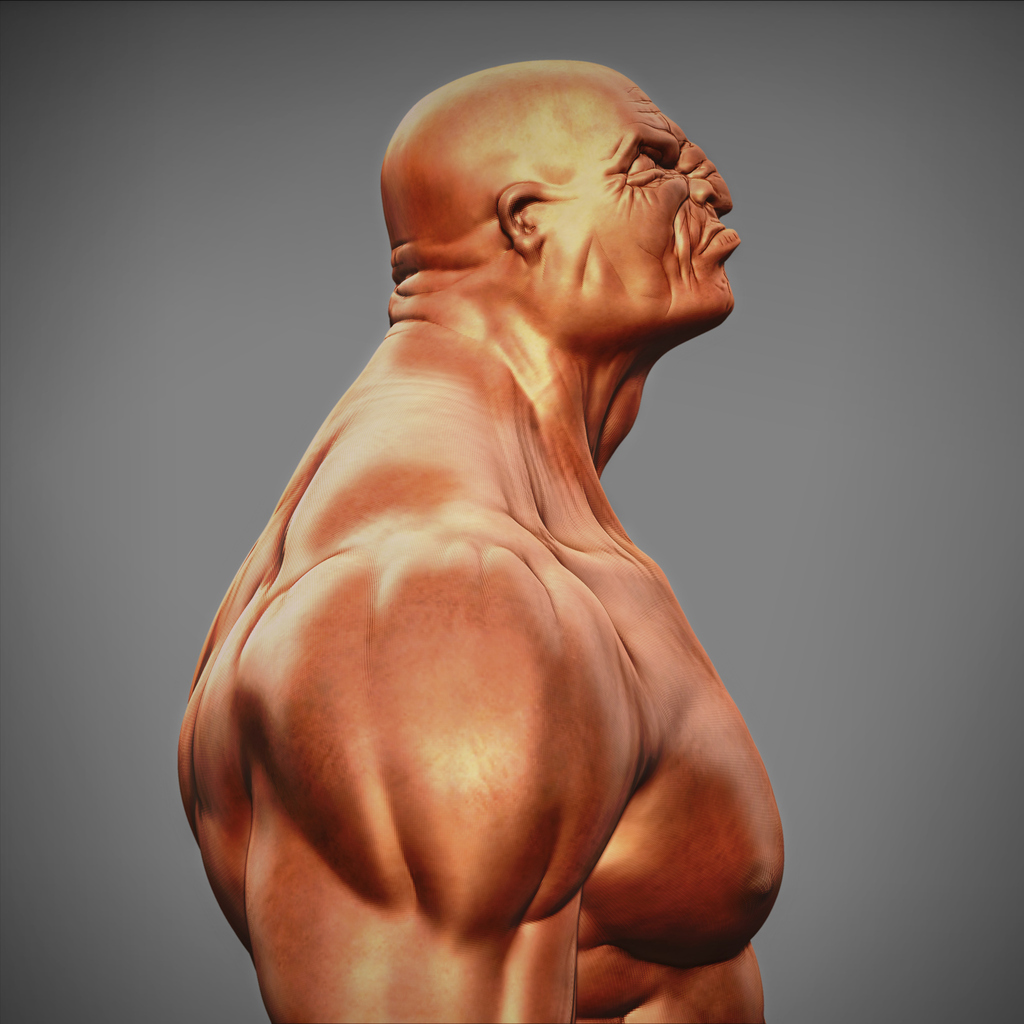
Tools that use machine learning can predict shape geometry, fill gaps in sculpted surfaces, and offer intelligent symmetry or smoothing. This allows beginners and experienced artists to experiment with more confidence.
3. Automated retopology and mesh optimization
Good topology is essential for animation, but building clean topology by hand is repetitive. AI supported tools can:
- Create clean quad based meshes
- Reduce polygon count while keeping shape
- Prepare models for rigging or animation
This means artists can move from concept to animation ready assets more efficiently.
4. Photogrammetry and NeRF based modeling
Photogrammetry has been used in film and games for years. Now, with AI powered techniques such as NeRF (Neural Radiance Fields), artists can produce highly realistic 3D models from only a few reference photos. This is especially helpful for:
- Game environments
- Virtual sets
- Architectural visualization
- Asset libraries
These methods make realism more accessible than ever.
AI in Animation: Helping Animators Work Faster and Smarter
The use of AI in 3D modeling and animation is especially powerful in the animation stage, where artists traditionally spent long hours refining motion, adjusting arcs, and cleaning up movement.
1. AI motion capture from everyday video
Software like Move AI and DeepMotion can turn simple video recordings into animation data that can be applied to 3D characters. This removes the barrier of expensive motion capture suits and studios. Artists can now:
- Capture human movement outdoors
- Animate characters from smartphone footage
- Create performance based animation with minimal equipment
This is revolutionizing pre visualisation and indie production.
2. Animation cleanup and auto in betweens
AI can predict motion paths and fill in missing frames. It can assist with:
- Smoothing keyframes
- Refining weight shifts
- Auto generating secondary movement
- Improving facial animation timing
Even though AI can provide these improvements, animators still decide how the performance feels. The emotional quality always comes from the artist.
3. Physics and simulation assistance
AI predicts realistic outcomes for:
- Cloth
- Hair
- Particles
- Destruction effects
This reduces the need for repetitive testing and simulation adjustments. Artists save time while maintaining creative control.
4. Camera work and cinematic enhancement
AI can assist in:
- Framing suggestions
- Camera stabilization
- Auto depth of field adjustments
These tools accelerate the layout stage and support better storytelling.
Why AI Cannot Replace Human Artists
While the use of AI in 3D modeling and animation is significant, technology cannot replicate the creative decision making that makes a scene emotionally powerful. AI creates averages. Artists create experiences. This difference is why studios continue to prioritize foundational skills.
Human artists bring:
- Storytelling instinct
- Acting choices for characters
- Visual clarity and composition
- Personality and performance
- Emotional timing
- Problem solving during production
AI is not capable of these artistic decisions. It supports the workflow, but success in the industry still depends on the artist's eye and understanding of animation principles.
A popular observation from an online 3D art discussion captured this perfectly. One experienced animator noted that AI might complete the first eighty percent of an animation, but the last twenty percent which includes emotion, weight, personality, and nuance always requires human skill. Another artist mentioned that AI will become one of the most powerful tools for rough blocking, but animators will always refine the final version.
These viewpoints are now common throughout the industry. AI is a multiplier, not a replacement.
Why Education Matters More Than Ever
With new technologies entering the field, artists need strong foundational training even more than before. Knowing how to animate, model, light, texture, and work in a full production pipeline gives artists the ability to adapt quickly to new tools.
This is where structured learning environments play an essential role. Programs at institutions like the Visual College of Art and Design provide a studio inspired atmosphere where students learn:
- How professional workflows operate
- How departments communicate and collaborate
- How to solve problems with both creativity and technique
- How to build a strong demo reel or portfolio
Students also benefit from instructors who have experience in major studios. For example, Gil Nam Choi brings experience from films like Avengers Age of Ultron and Aquaman, along with game titles such as Back 4 Blood. Learning under industry veterans helps students understand what production ready work looks like and prepares them for real studio expectations.
Bonus Read: Learn from VFX Master Gil Nam Choi at VCAD
This blend of artistic fundamentals, real studio practice, and professional mentorship creates graduates who are ready to contribute to animation, modeling, rigging, game development, and visual effects.
How VCAD Supports Emerging Artists
While the use of AI in 3D modeling and animation continues to evolve, the core value of strong artistic training has not changed. VCAD's 3D Modeling Animation Art and Design Diploma program emphasizes the practical skills that employers seek, including modeling, animation principles, texturing, lighting, and professional workflow experience. Graduates leave with:
- A portfolio that demonstrates technical ability and creativity
- Experience working in team-based production environments
- A solid understanding of how to communicate visually
- Confidence with industry standard tools used in studios today
This allows students to feel prepared and capable on their first day in a professional environment.
The Future of AI in 3D Art
The future promises even more innovation. In the coming years, AI will likely improve in areas such as:
- Real time animation prediction
- Automated rigging solutions
- AI supported environment generation
- Smarter lighting and shading recommendations
- Collaborative AI systems for layout and storyboarding
Yet, these tools will always need artists who can judge quality, shape emotion, and guide the creative vision.
Final Thoughts
The use of AI in 3D modeling and animation has transformed production pipelines and opened new creative possibilities. It speeds up workflows, assists with complex tasks, and empowers smaller teams and independent creators. However, it does not replace the need for trained artists. Success in the digital arts still depends on strong foundations in modeling, animation, design, and storytelling.
For aspiring artists in Vancouver and beyond, programs like VCAD's 3D Modeling Animation Art and Design Diploma offer an effective path into the industry. With hands on training, access to experienced instructors, and a focus on building a professional portfolio, students gain the preparation they need to enter a competitive and rapidly evolving field.
If you hope to build a career bringing characters, worlds, and stories to life, this is an exciting moment to begin. AI may change the tools, but your creativity will always drive the results.