Graphic design trends in 2026 are redefining what it means to communicate visually. Design is no longer just about aesthetics or decoration. It is about interaction, emotion, adaptability, and storytelling across digital and physical spaces. As artificial intelligence, immersive technology, and digital platforms continue to evolve, designers are finding new ways to balance innovation with authenticity.
The most important graphic design trends of 2026 reflects a clear shift. While AI tools are becoming a standard part of creative workflows, audiences are craving design that feels personal, expressive, and unmistakably human. The future of graphic design is not about choosing between technology and creativity. It is about learning how to combine them effectively.
For students considering a career in design, understanding these trends is essential. They influence branding, marketing, user experience, digital content, and portfolio development. In this article, we explore the most important graphic design trends for 2026 and explain how learning these skills through a program like VCAD’s Graphic Design Diploma can prepare you for a creative career in a rapidly changing industry.
Why Graphic Design Trends 2026 Matter More Than Ever
Graphic design trends in 2026 are shaped by cultural change as much as technology. Designers are responding to digital fatigue, over automation, and the demand for meaningful connection. Brands no longer want visuals that simply look polished. They want to design that feels real, intentional, and emotionally engaging. Key forces shaping design trends in 2026 include:
- Widespread use of AI and generative tools
- Growth of interactive and immersive digital experiences
- Demand for authenticity and human centered branding
- Short attention spans across social and digital platforms
- Multi-platform design expectations for designers
Staying current with graphic design trends is not about copying styles. It is about understanding how design communicates values, builds trust, and captures attention in a crowded digital environment.
The Biggest Graphic Design Trends 2026
1. Human and AI Collaboration in Design
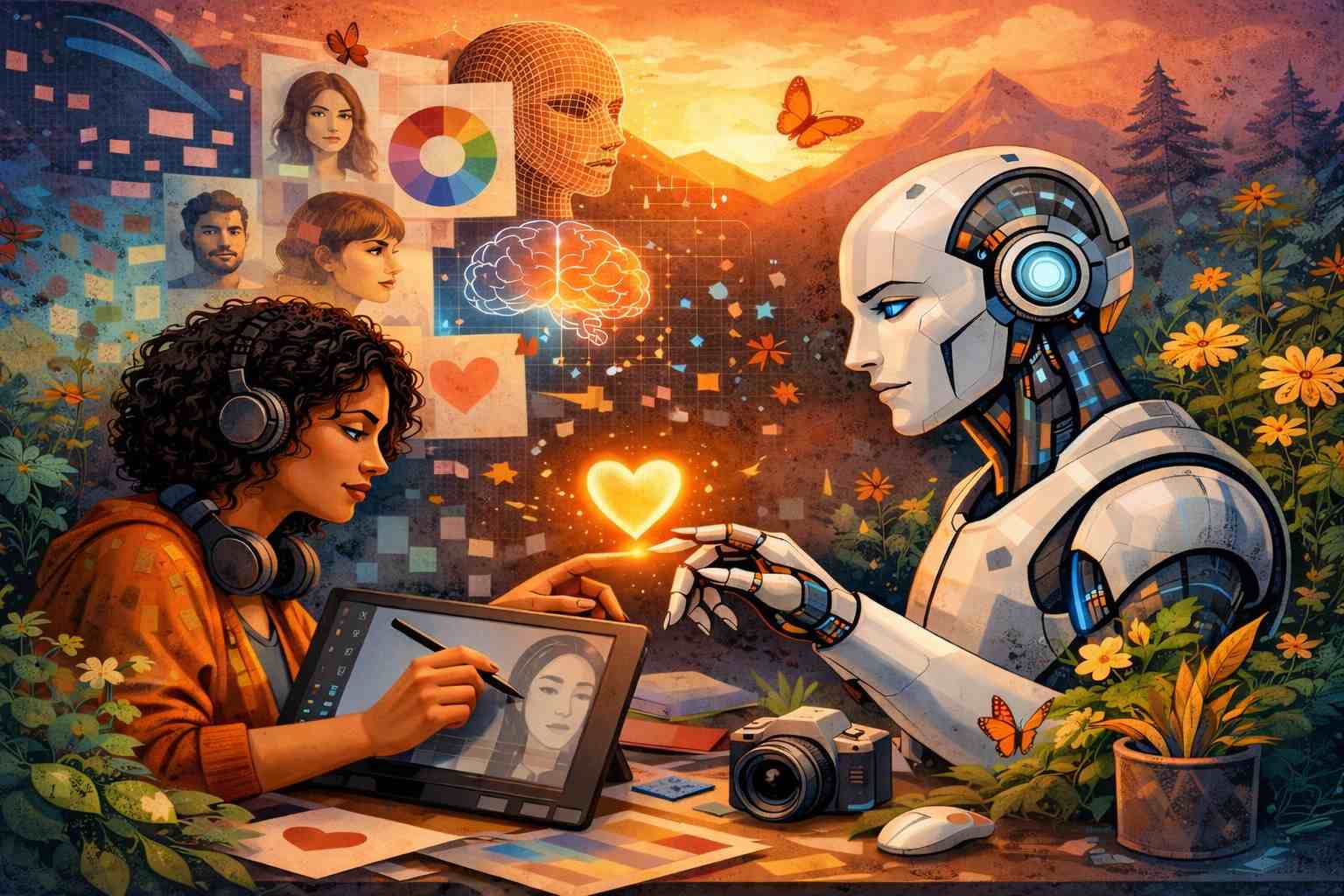
One of the defining graphic design trends of 2026 is the normalization of AI as a creative partner. Designers are using AI tools to support ideation, layout experimentation, image generation, and motion design. However, AI does not replace designers. Instead, it enhances productivity and expands creative possibilities.
In 2026, successful designers are those who know how to direct AI tools with purpose. Human decision making remains essential for concept development, brand voice, emotional storytelling, and ethical design choices. Designers use AI to:
- Explore visual concepts quickly
- Generate variations for branding and campaigns
- Assist with 3D visuals and motion graphics
- Speed up repetitive production tasks
Understanding how to work alongside AI is now a core skill in modern graphic design.
2. Sensory Rich and Immersive Design
Another major graphic design trend in 2026 is sensory driven design. Visuals are created to suggest touch, movement, sound, and atmosphere. This approach makes digital experiences feel more immersive and engaging. Designers are using:
- Hyper realistic textures
- Soft lighting and depth
- Cinematic color treatments
- Layered visuals that create a sense of space
Sensory design is especially effective for branding, digital campaigns, and immersive web experiences because it creates emotional impact and memorability.
3. Bold and Expressive Typography
Typography plays a central role in graphic design trends in 2016. Designers are moving away from safe and neutral typefaces and embracing bold, oversized, and expressive typography. Popular typography styles include:
- Large scale sans serif headlines
- Rounded and playful letterforms
- Distorted or warped type
- Handwritten and imperfect scripts
Typography in 2026 is often the main visual element rather than a supporting detail. It carries personality and helps brands stand out in crowded digital spaces.
4. Typography as Visual Identity
Beyond bold type, 2026 also sees the rise of typography as the main brand identifier. Logos, packaging, posters, and digital campaigns are built around type of systems that are flexible and expressive. Letters may bend, overlap, animate, or interact with illustrations and images. Typography becomes a visual character that defines tone and identity. This trend is especially common in youth culture, fashion, entertainment, and digital first brands.
5. Modular Layout Systems with Creative Freedom
Graphic design trends in 2026 include a shift toward modular layouts that feel dynamic rather than rigid. Designers are using grid systems that allow content to move, overlap, and adapt across formats. These layouts often resemble editorial spreads or poster compositions, even in digital design. They balance structure with experimentation. Modular systems work well for:
- Portfolio websites
- Campaign based branding
- Digital magazines
- Multi-platform content systems
6. Scattered and Exploratory Layouts
Designers in 2026 are experimenting with layouts that encourage exploration. Elements appear scattered across the screen, creating a sense of discovery rather than linear navigation. When designed thoughtfully, these layouts remain user friendly through hover effects, visual cues, and intuitive interaction. This trend reflects a shift toward playful and non-traditional user experiences, particularly in creative and experimental digital projects.
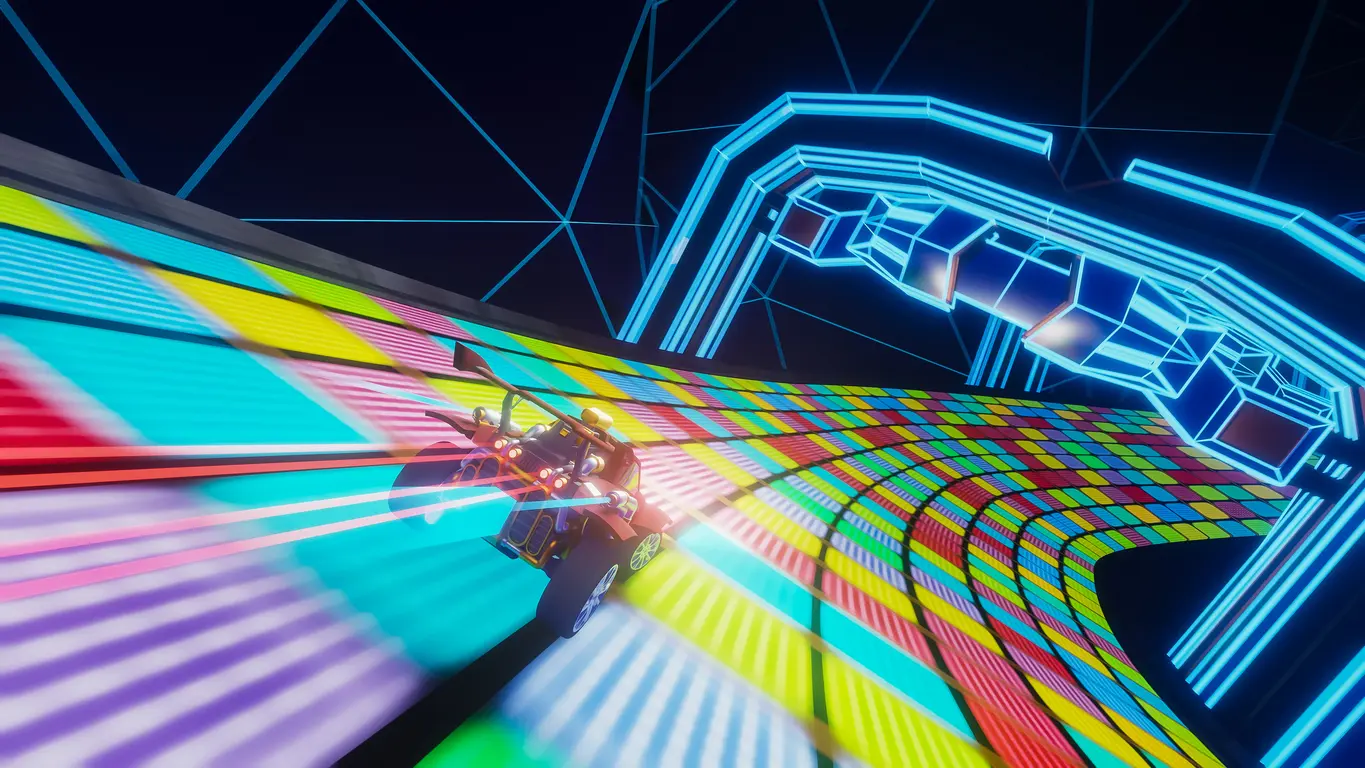
7. High Energy Color and Visual Contrast
Color is a powerful tool in graphic design trends in 2016. Designers are embracing bright, saturated palettes that demand attention while still maintaining balance and readability. Trends include:
- Vibrant color contrasts
- Nostalgic color schemes with modern execution
- Futuristic lighting effects
- Layered color systems with depth
Color is used strategically to guide the eye, evoke emotion, and reinforce brand identity.
8. Surreal and Playful Imagery
Surrealism continues to influence graphic design in 2026. Designers use unexpected combinations, exaggerated scale, and visual humor to create memorable imagery. Surreal design helps brands feel imaginative, relatable, and emotionally engaging. It also encourages storytelling beyond literal representation. This approach is common in advertising, social media campaigns, and experiential branding.
9. Organic and Imperfect Aesthetics
As AI generated visuals become more common, audiences are drawn to design that feels handmade and imperfect. Organic design is a key graphic design trend in 2026. Characteristics include:
- Natural textures such as paper, stone, or fabric
- Hand drawn elements and illustrations
- Subtle imperfections and irregular lines
- Low contrast and earthy color palettes
This trend reinforces authenticity and human presence in design.
10. Collage and Layered Storytelling
Collage design continues to grow as a storytelling technique in 2026. Designers mix photography, illustration, textures, and typography to create depth and narrative. Layered visuals feel expressive and dynamic. They allow designers to communicate complex ideas through composition rather than literal imagery. Collage is especially popular in editorial design, cultural branding, and youth focused campaigns.
11. Maximalism with Intention
Maximalism remains strong among graphic design trends 2026. Designers use heavy layering, bold color combinations, and dense compositions to create high impact visuals. The key difference in 2026 is intention. Successful maximalist design still follows hierarchy and structure, ensuring clarity despite complexity. Maximalism is effective when designers understand balance, contrast, and focal points.
12. Texture, Grain, and Visual Noise
Noise and texture are making a strong comeback in 2026. Designers use grain, speckles, and subtle imperfections to add warmth and realism. These elements are applied to:
- Gradients and backgrounds
- Packaging design
- Digital interfaces
- Posters and branding materials
Texture helps counteract the overly polished look often associated with digital and AI generated visuals.
13. Monochrome Color Systems
Monochrome design is a powerful trend in graphic design trends 2026. Designers build entire layouts around a single dominant color, using tonal variation, texture, and contrast for interest. Popular monochrome colors include bold blues, deep reds, lime greens, and muted purples. This approach strengthens brand recognition and creates strong visual impact.
14. Minimal Typography and Clarity
While maximalism grows, minimal typography also plays a major role in 2026. Designers use clean typefaces, strong spacing, and confident composition to create clarity. This style focuses on:
- Strong hierarchy
- Limited color palettes
- Purposeful use of whitespace
- Clear messaging
Minimal typography is especially effective for premium branding, editorial layouts, and product packaging.
What Graphic Design Trends 2026 Mean for Creative Careers
The future of graphic design demands versatility. Employers are looking for designers who can:
- Work across print and digital formats
- Understand branding and visual identity systems
- Use AI tools responsibly and creatively
- Design for interaction and user experience
- Communicate ideas clearly and emotionally
Learning trends alone is not enough. Designers must understand the principles behind them and know how to apply them strategically.
How VCAD’s Graphic Design Diploma Prepares You for 2026
For students who want to turn creativity into a career, VCAD’s Graphic Design Diploma program provides the skills needed to work confidently within modern design trends. The program focuses on:
- Typography and layout fundamentals
- Branding and identity design
- Digital design for web and social platforms
- Concept development and visual storytelling
- Portfolio creation aligned with industry expectations
By learning both traditional design principles and modern digital workflows, students gain the flexibility needed to adapt to graphic design trends in 2026 and beyond. VCAD emphasizes practical learning, allowing students to experiment with trends while developing a strong foundation in design thinking.
Final Thoughts on Graphic Design Trends 2026
Graphic design trends 2026 highlight a powerful truth. Even as technology advances, the heart of design remains human. AI may assist, automate, and accelerate, but creativity, emotion, and storytelling remain essential. The most successful designers in 2026 will be those who understand contrast and balance. Digital and handmade. Retro and futuristic. Minimal and expressive. Technology and humanity.
If you are passionate about visual communication and want to build a future proof creative career, learning these trends through a structured program like VCAD’s Graphic Design Diploma can help you turn inspiration into professional skills. Graphic design in 2026 is not about following one style. It is about understanding how to design with purpose, personality, and adaptability in a constantly evolving world.