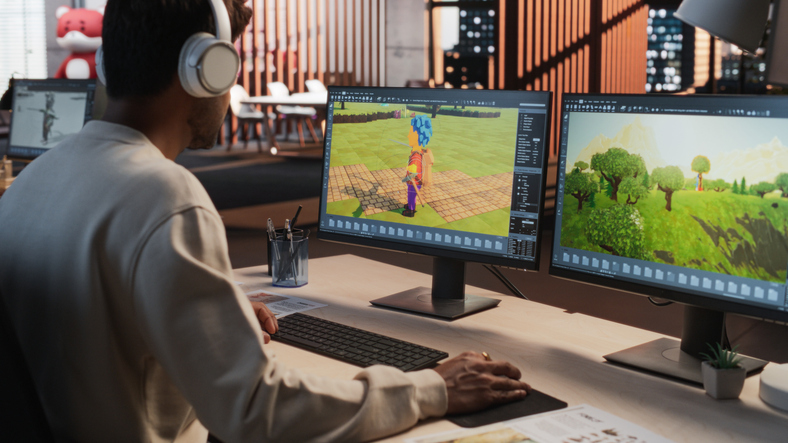
In the modern era, Visual Effects (VFX) has made the impossible routine, from soaring dragons to digital historical figures. For the artist, this magic is a complex blend of technology and artistry. The tools used to create these cinematic marvels are rapidly advancing and becoming more accessible. Surprisingly, the most effective path to mastering the entire VFX pipeline is often through the world of game design.
The industry is merging, and the skills needed to build a blockbuster film are now the same skills used to create an interactive world. Let's explore what VFX really is, how the industry is changing, and how programs like the Game Development and Design Diploma at the Visual College of Art and Design (VCAD) prepare you to build these stunning digital realities.
Defining the Magic: VFX vs. Special Effects
Before diving into the technology, it is essential to understand the distinction between the two pillars of movie magic: Special Effects (SFX) and Visual Effects (VFX). While the terms are often used interchangeably by the public, they represent two distinct disciplines.
Special Effects (SFX) are practical. They happen on the set, in reality. If a car flips over on a highway, a stuntman catches fire, or rain pours down on the actors, that is SFX. These are physical events captured by the camera lens.
Visual Effects (VFX), however, is the art of manipulating imagery outside of live-action shooting. It is the integration of live footage with Computer-Generated Imagery (CGI) to create environments, characters, or phenomena that would be dangerous, expensive, or simply impossible to film.
While these used to be separate worlds, they are colliding. Today, digital artists build "digital twins" of sets, and game engines drive the backgrounds of major motion pictures. This convergence means that learning the 3D pipeline is now the golden ticket to working in both film and gaming.
The Modern Production Pipeline
To understand where you fit in, you must understand the pipeline. A professional VFX workflow is a massive machine with many moving parts. A comprehensive education, like the one offered at VCAD, breaks this down into mastered skills.
1. Pre-Production: The Blueprint
Every great visual starts with a plan. This phase includes Concept Art and Storyboarding. Artists draw the characters, creatures, and environments to establish the "look and feel" of the film.
- The Skill Set: You need a strong foundation in traditional art principles. Courses in Life Drawing and Character Design are crucial here. Understanding anatomy, proportion, and shading on paper is the first step to building a believable monster in 3D.
2. Production: The Capture
This is where the actors are filmed. In the past, this was done strictly against a green screen. Today, we are seeing the rise of Virtual Production. This technique uses massive LED walls powered by real-time game engines like Unreal Engine to display the background during the shoot.
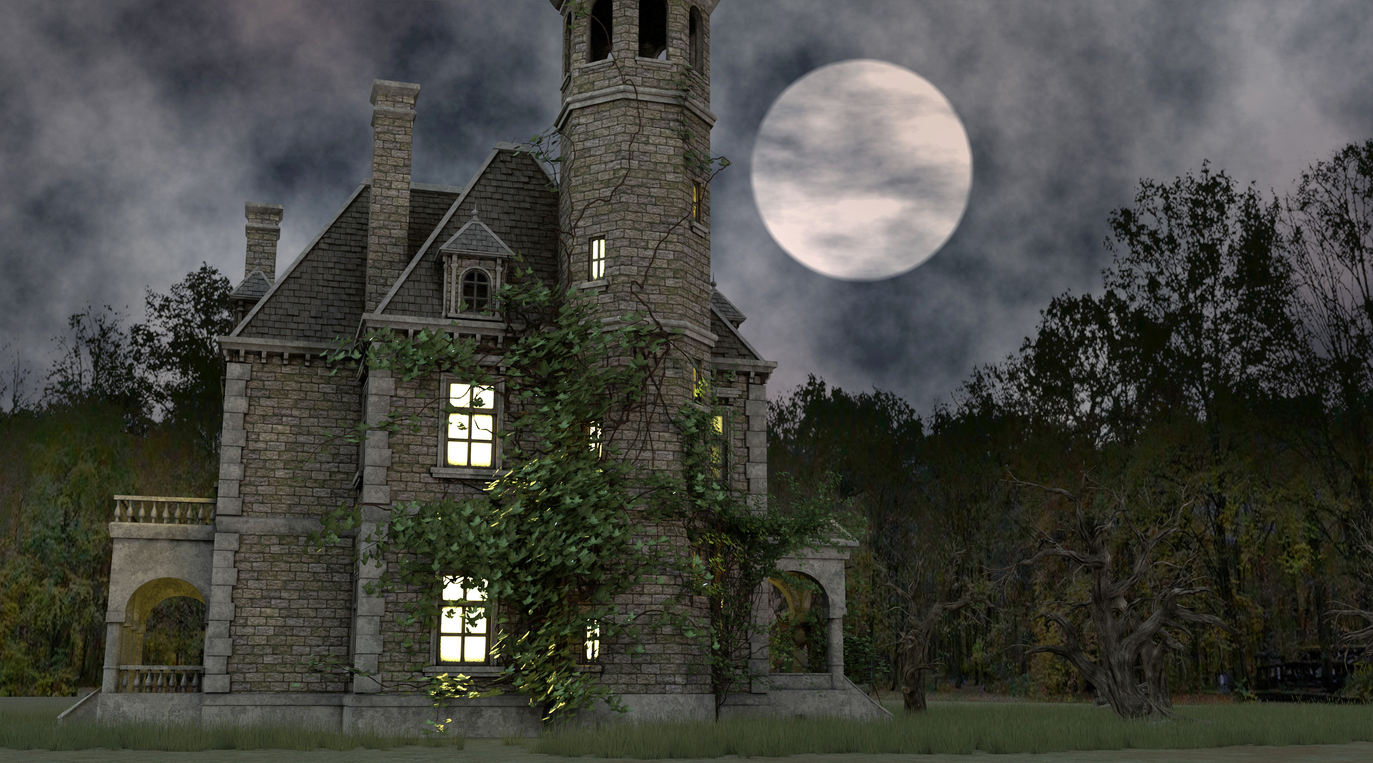
- The Convergence: This is where game design meets cinema. The backgrounds on these screens are 3D environments built exactly like video game levels. If you know how to build a level in a game engine, you already have the skills to work on a Star Wars set.
3. Post-Production: The Construction
This is the heart of VFX, where the magic happens. It involves several specialized stages:
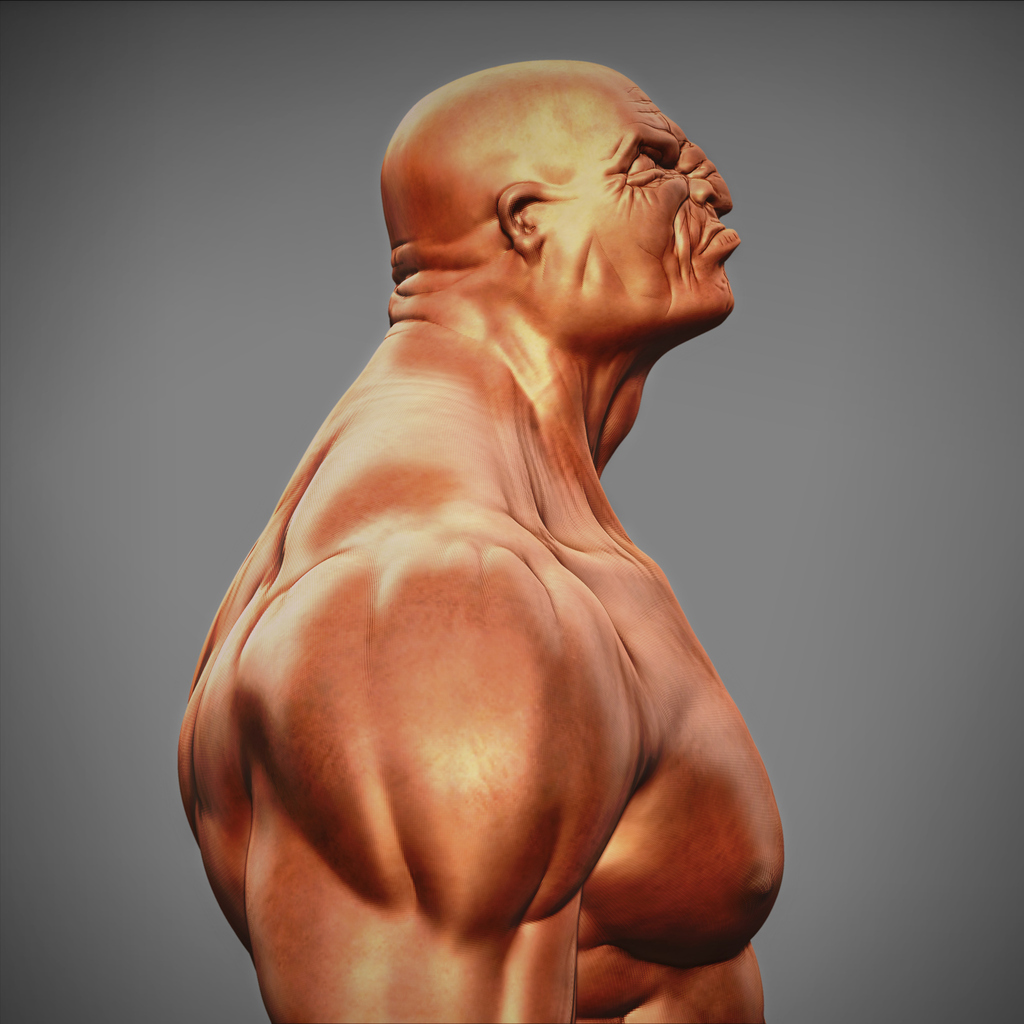
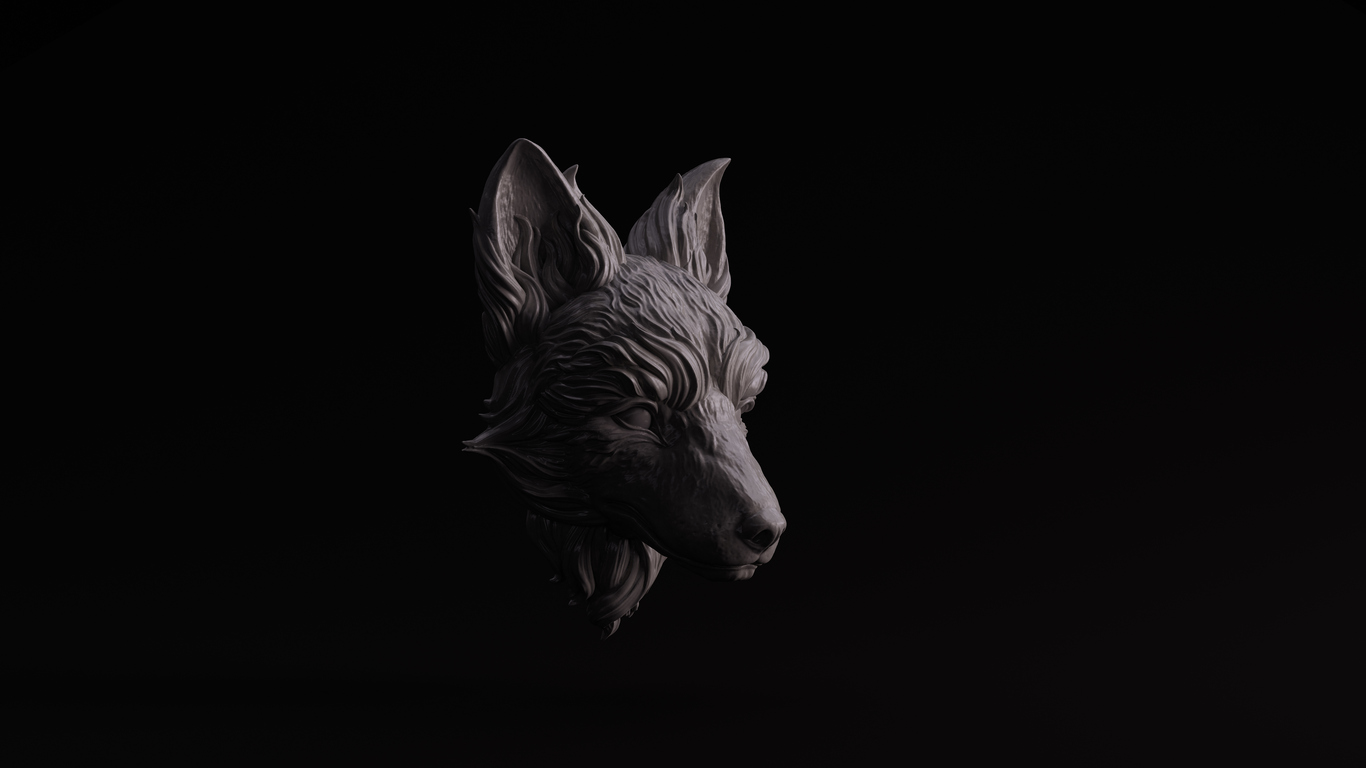
- Modeling and Sculpting: Artists use software like Autodesk Maya and ZBrush to build 3D objects. This ranges from hard-surface modeling (cars, spaceships) to organic digital sculpting (aliens, humans).
- Texturing: A grey 3D model looks like plastic until it is textured. Using tools like Substance Painter and Substance Designer, artists paint rust, skin pores, dirt, and scratches onto the model to give it history and realism.
- Rigging and Animation: A skeleton (rig) is put inside the model so it can move. Animators then bring it to life, frame by frame.
- Effects (FX) Animation: This covers the chaotic elements. Fire, smoke, water, and magic spells are simulations created by FX artists.
- Compositing: Finally, all these layers (the live actor, the digital robot, the explosion, and the background) are stacked together in software like Adobe After Effects to create the final seamless image.
Why Game Design is the New VFX School
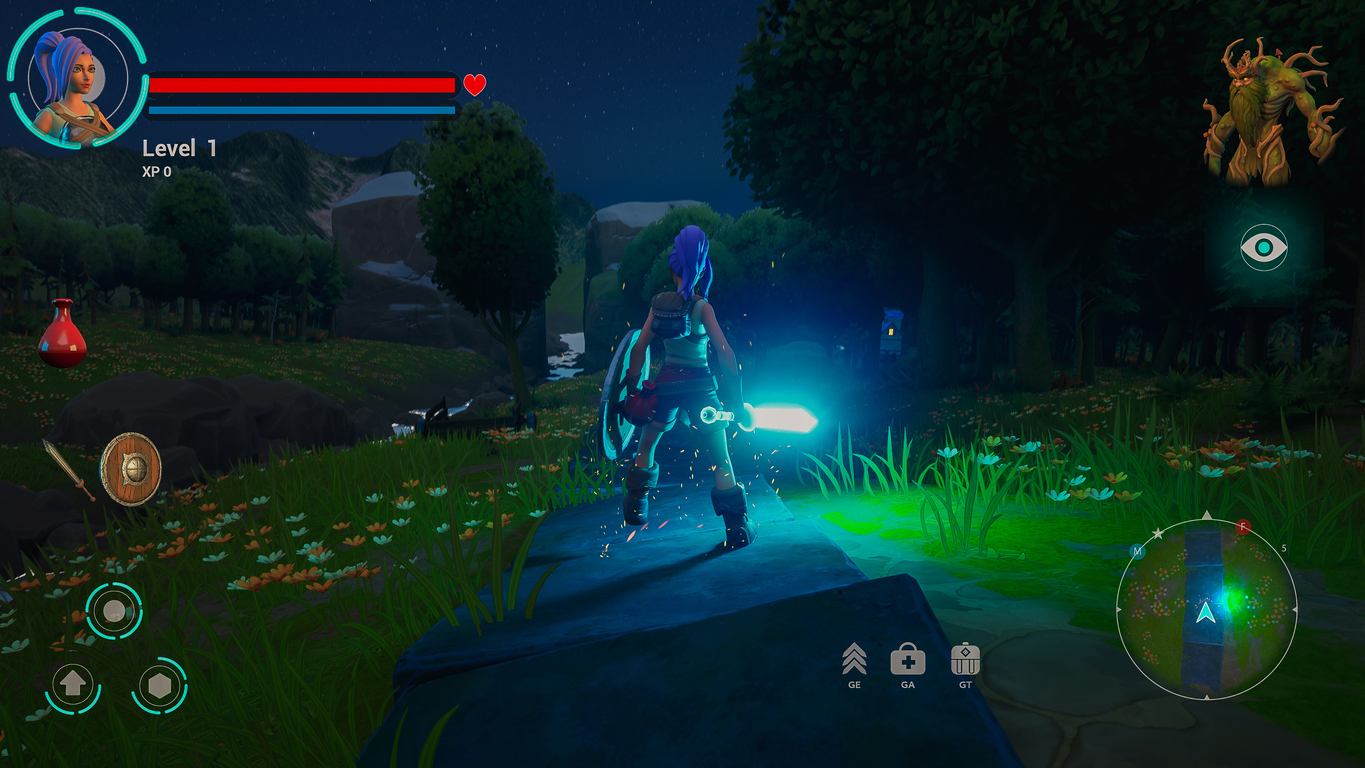
Here is the industry secret. The software used to make Fortnite is the same software used to make The Mandalorian.
As real-time rendering takes over Hollywood, the line between a "Game Developer" and a "VFX Artist" is disappearing. Studios are desperate for talent that understands the full 3D pipeline, from modeling a character to scripting its movement in an engine.
This is why a program like VCAD’s Game Development and Design Diploma is such a strategic choice for aspiring visual artists. It does not just teach you one isolated skill; it immerses you in the entire production ecosystem.
Start Your Career with VCAD Game Development and Design Diploma
If you are looking for a program that mirrors the industry reality, VCAD offers a robust, 72-week diploma designed to take you from a novice to a professional with a polished portfolio.
Here is how the program equips you for the worlds of both Film and Games:
1. Mastery of Industry-Standard Tools
You will not be wasting time on obscure software. The curriculum focuses on the heavy hitters used in major studios:
- Autodesk Maya & ZBrush: The industry standards for 3D modeling and sculpting. You will learn to create high-resolution characters suitable for film and television, focusing on fine details and anatomical correctness.
- Substance Suite: The gold standard for texturing.
- Unreal Engine & Unity: The engines driving the virtual production revolution.
- Adobe After Effects & Photoshop: Essential for compositing and image manipulation.
2. A Comprehensive Curriculum
The courses are structured to build your skills layer by layer.
- In Intro to 3D Software, you master the workflow of modeling, texturing, lighting, and rendering.
- Character Modeling II pushes you to create original models to a standard suitable for film, teaching you the difference between game topology and cinematic detail.
- Environmental Modeling II introduces the concepts of matte painting and dynamic environments, teaching you to consider atmosphere and mood, key skills for set extensions in movies.
- Effects Animation lets you get your hands dirty with particles and physics, teaching you how to simulate fire and water.
3. The Autonomous Advantage
For those who need flexibility, VCAD’s online autonomous model allows you to access course materials 24/7. This is perfect for students balancing work or other commitments. You get the structure of a diploma with the freedom of self-paced learning, supported by industry-experienced instructors who provide feedback and mentorship.
4. Career Versatility
Graduates from this program do not just go into gaming. They can also go to special effects studios, post-production houses, industrial design firms, and computer animation studios. The portfolio you build shows employers that you understand the mechanics of digital creation.
Final Thoughts
Whether you dream of seeing your name in the credits of the next sci-fi blockbuster or watching players explore a world you built from scratch, the skills are the same. The tools are waiting.
If you are ready to turn your passion into a profession, exploring the Game Development and Design Diploma at VCAD to see how you can start building the impossible.