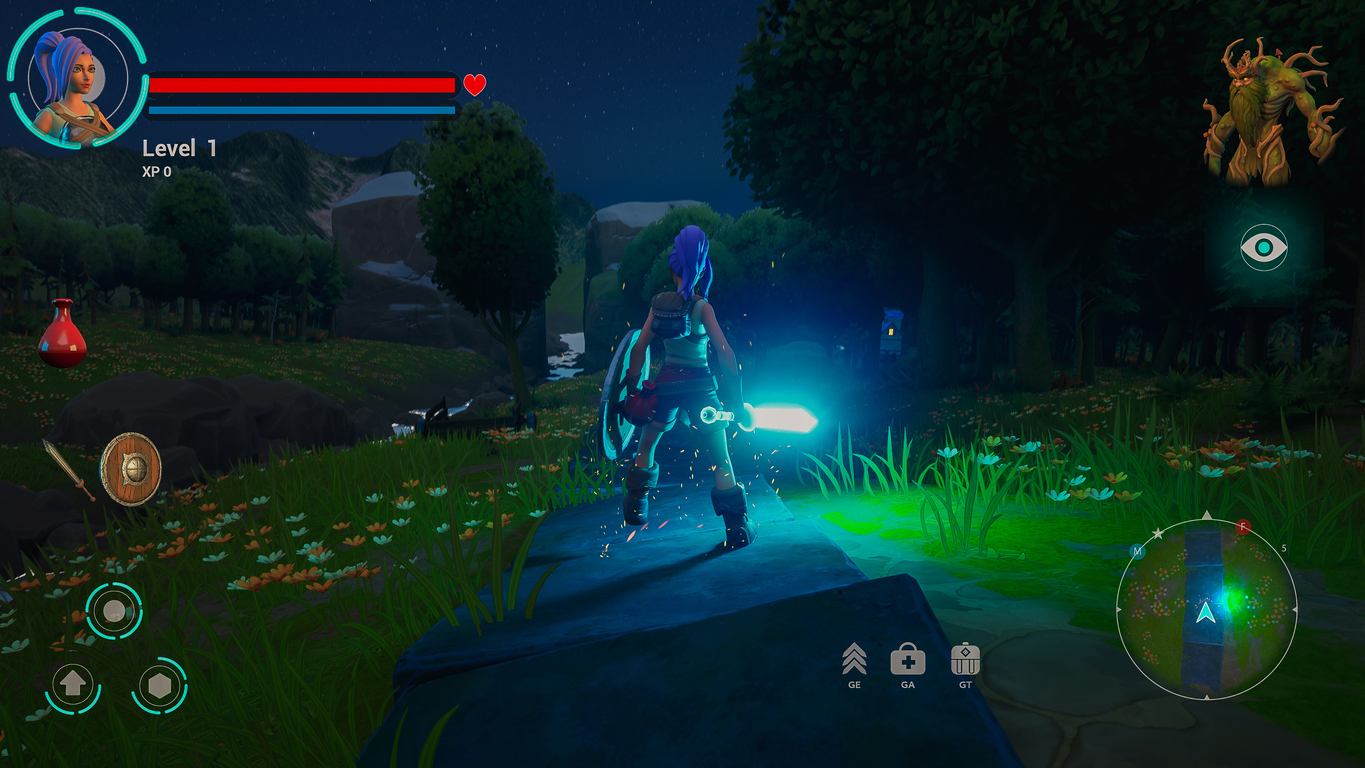
Ever wonder what makes games so fun to play? Whether you're outsmarting enemies in stealth mode, solving clever puzzles, or just jumping over gaps, it's all thanks to one thing: Gameplay Mechanics.
If you're thinking about turning your love for gaming into a creative career, understanding gameplay mechanics is a great place to start. These mechanics shape how games work and how players experience them, and they’re at the heart of every great game design.
What Are Gameplay Mechanics?
Gameplay mechanics are the actions and rules that shape how a game plays. They define what the player can do, like jump, shoot, or collect items, and how the game responds to those actions.
Imagine pressing a button to make a character jump. That’s a mechanic. So is solving a puzzle to open a locked door or managing your character’s stamina during combat. Mechanics create the moment-to-moment interactions that keep players engaged.
Think of them as the tools players use to explore the world, face challenges, and achieve goals. Without mechanics, a game would just be a static screen, no action, no choices, no fun.
While visuals and sound help set the mood, it’s mechanics that make a game feel alive. As an aspiring designer, they’re what you’ll focus on to shape how your game works and what kind of experience it delivers.
How Are Mechanics Different from Other Game Elements?
It’s easy to mix up terms like mechanics, rules, systems, and elements, especially when you’re just starting out in game design. Here's a quick breakdown:
- Game rules are the boundaries of the game world. They define what you can and cannot do. For instance, you can’t walk through walls, and you can only carry so many items.
- Gameplay mechanics are the actions players perform within those rules. They’re the verbs of the game. Jump, shoot, heal, build, talk.
- Game systems are collections of mechanics working together. Think of an in-game economy or crafting system. They combine individual mechanics (like collecting ingredients, combining items, or spending currency) into a more complex framework.
- Game elements include both mechanics and visual or audio components. They’re everything the player experiences, but not all elements are interactive or functional. A beautiful skybox or background music sets the tone but doesn’t affect gameplay directly.
By focusing on mechanics, you’re zeroing in on what makes games playable and interactive. As a designer, that’s where your attention should go first.
Types of Gameplay Mechanics Every Beginner Should Know
There are countless gameplay mechanics, and they often overlap or evolve depending on the game genre. Here are some common categories you’ll find in many popular games:
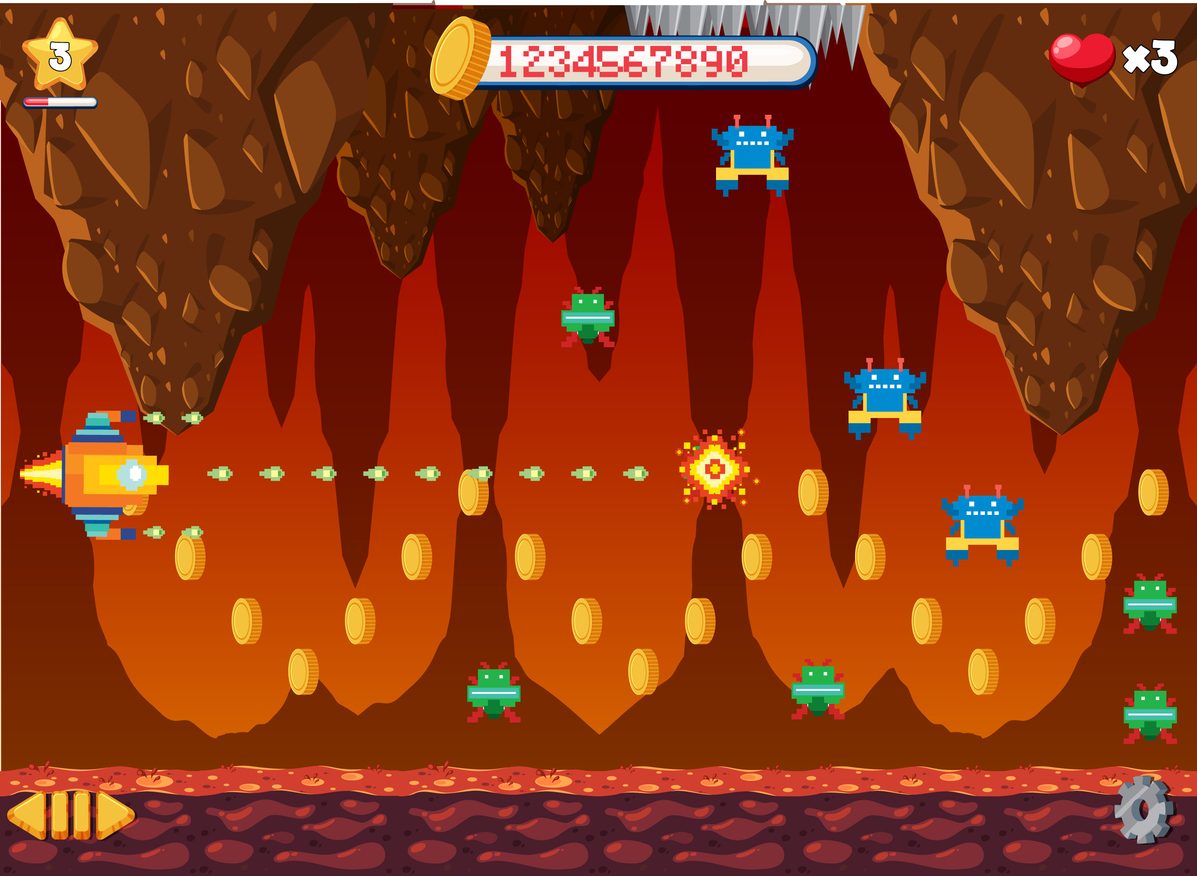
- Movement Mechanics: Running, walking, jumping, flying, swimming, climbing. These dictate how players navigate the game world.
- Combat Mechanics: Attacking, blocking, dodging, targeting, using special abilities. These are common in action, fighting, and shooter games.
- Puzzle Mechanics: Rotating shapes, matching colours, activating switches. Puzzle games rely heavily on logic-based mechanics.
- Resource Management: Collecting items, managing health or stamina, balancing in-game currency. Strategy and survival games often use these.
- Progression Mechanics: Leveling up, unlocking new abilities, branching skill trees. These keep players invested long-term.
- Environmental Interaction: Picking up objects, opening doors, lighting torches. Mechanics that encourage players to engage with the game world.
Each of these categories gives players tools to interact with your game. The more thoughtfully you design them, the more satisfying the gameplay becomes.
Famous Games and Their Core Mechanics
Let’s take a look at some iconic gameplay mechanics and the games that use them brilliantly:
- Portal: The portal gun allows players to create entry and exit points on walls. This simple mechanic creates incredibly complex spatial puzzles.
- Tetris: Rotating and dropping blocks may sound basic, but it’s a perfect example of a single, elegant mechanic leading to infinite challenge.
- Halo: Regenerating shields change the pacing of combat, encouraging players to retreat and recover, which sets it apart from traditional shooters.
- Minecraft: Block placement and destruction are the heart of the game, enabling both survival and creative gameplay styles.
These mechanics are memorable because they’re tightly integrated into the gameplay. They feel natural, intuitive, and rewarding, the holy grail of game design.
Why Gameplay Mechanics Matter for Aspiring Designers
If you’re dreaming of designing your own games, you need to understand gameplay mechanics inside and out. Here’s why:
- They drive the player experience: Mechanics determine how fun, frustrating, or fulfilling a game feels.
- They guide your design decisions: When you understand mechanics, you can start building worlds, challenges, and systems around them.
- They help you communicate ideas: Whether you’re pitching to a studio or collaborating with a team, being able to explain your mechanics clearly is key.
In short, good mechanics are what separate forgettable games from the ones people play for years.
How to Start Thinking Like a Game Designer
The best way to learn about gameplay mechanics is to start paying close attention to the games you already love. Ask yourself:
- What actions am I performing most often?
- What rewards or consequences do those actions have?
- Do I feel in control, or is something frustrating?
- How could this be changed or improved?
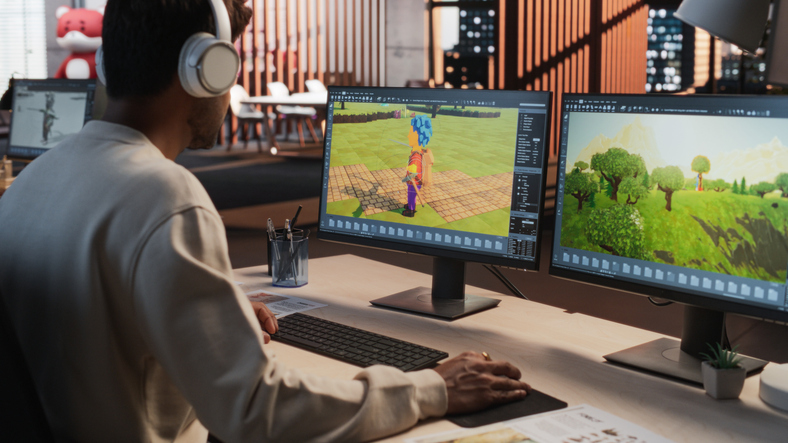
Once you start noticing these patterns, try designing your own simple mechanics. Sketch out a puzzle. Create a basic level in a free game engine. Test your ideas with friends. The more you experiment, the more confident you’ll become.
And if you're ready to take your skills to the next level, structured learning can help you grow even faster.
Ready to Learn Game Design? Structured Learning at VCAD
If you’re serious about turning your passion for gaming into a career, learning the foundations of game development can make all the difference.
The Game Development and Design Diploma program at the Visual College of Art and Design (VCAD) is designed for beginners who want to create their own games from the ground up. It’s fully online, which means you can study from anywhere in Canada while learning real industry skills.
You’ll cover everything from:
- Gameplay mechanics and game theory
- Level and environment design
- Character and concept development
- Storyboarding and animation
- Game engines and production tools
The program is hands-on, so you won’t just study, you’ll create. By the time you graduate, you’ll have a professional portfolio filled with game prototypes, art assets, and design documents to show potential employers or studios.
Best of all, you’ll be learning from instructors with real-world experience who can help guide you toward your own creative voice. Whether you want to become a game designer, level builder, or indie game creator, VCAD gives you the skills and support to start strong.
Final Thoughts
Gameplay mechanics are more than just rules or actions. They’re the secret sauce that makes games fun, challenging, and unforgettable. For aspiring game designers, mastering the art of gameplay mechanics is the foundation of everything else, and there’s no better time to start than now.
Take the first step. Play with intention. Create with purpose. And if you’re ready to dive deep into the world of game development, explore what VCAD’s Game Development and Design Diploma program has to offer. Your journey into game design starts here.