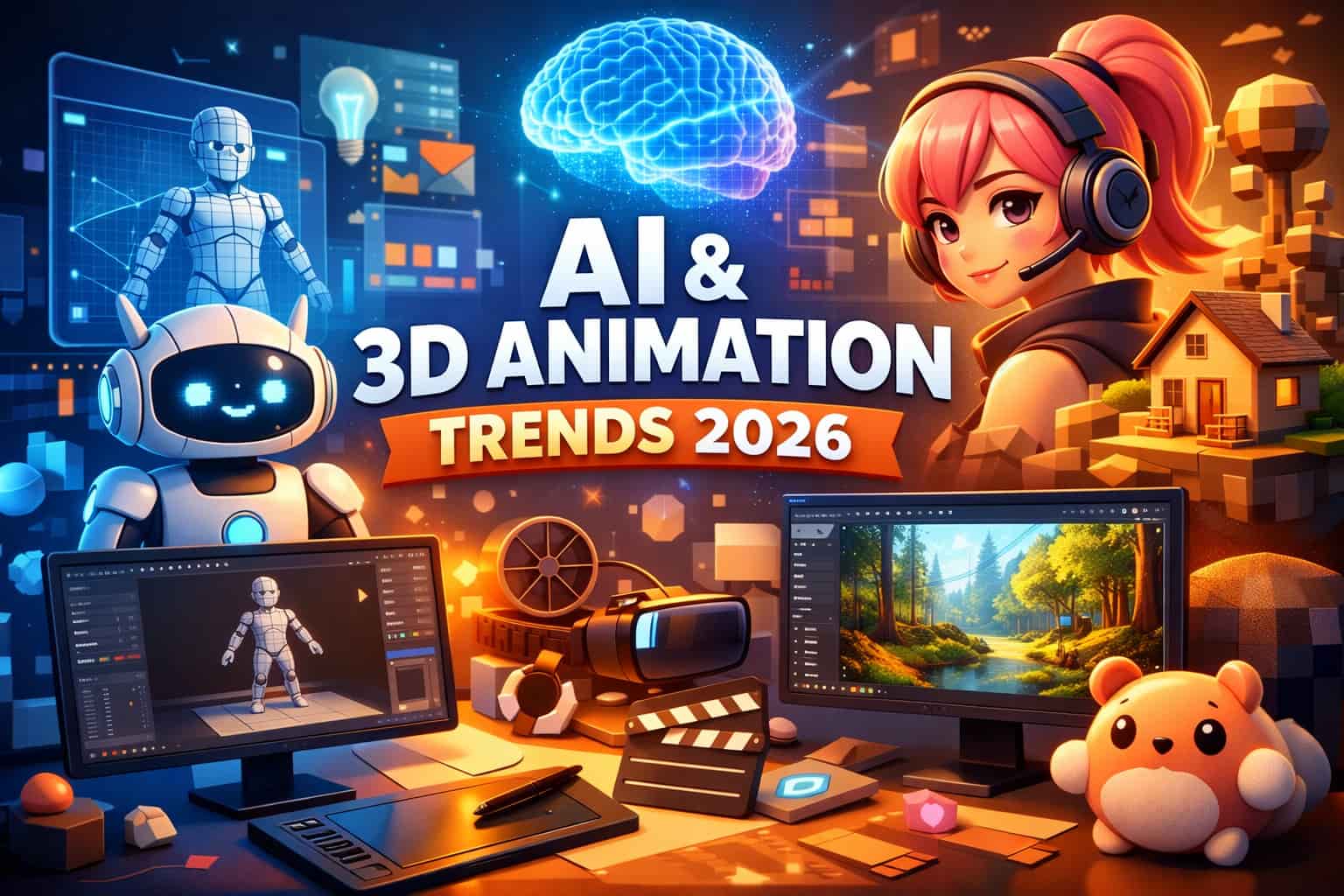
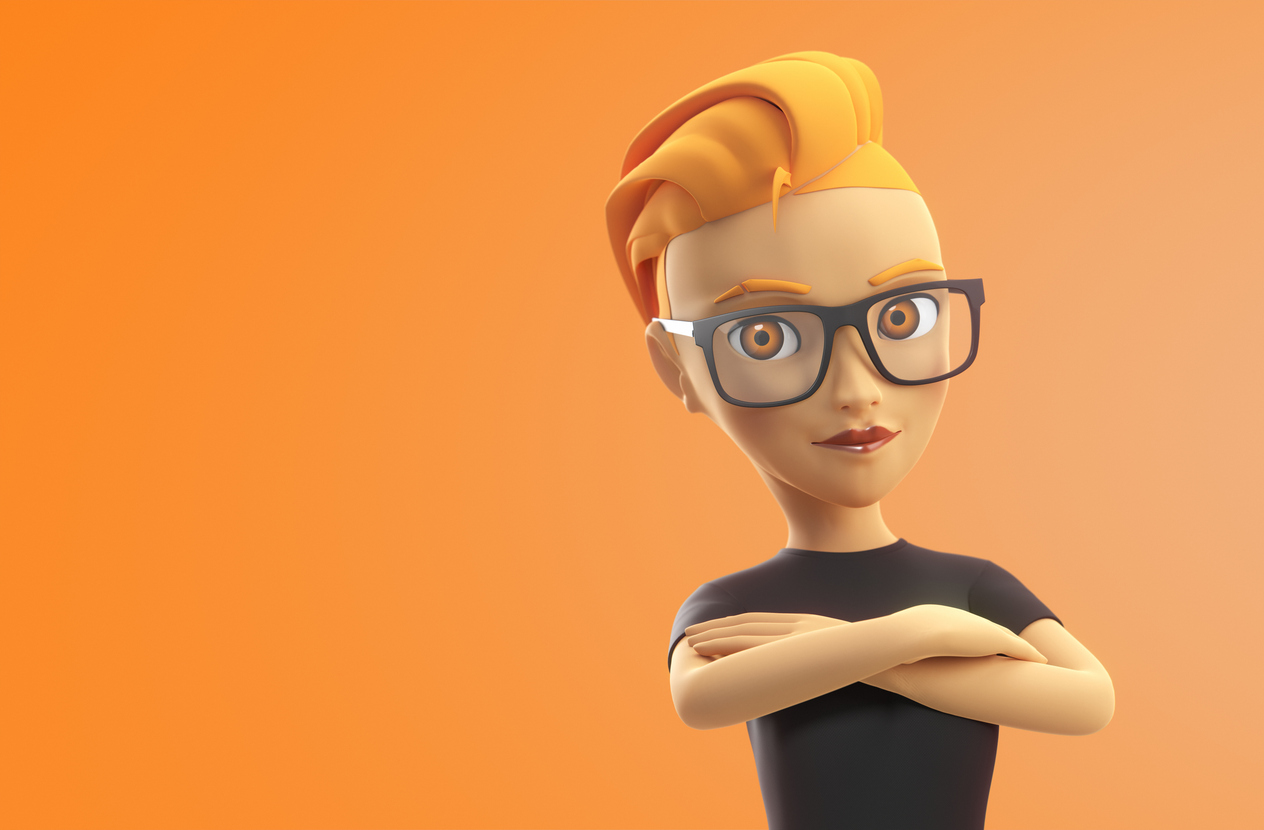
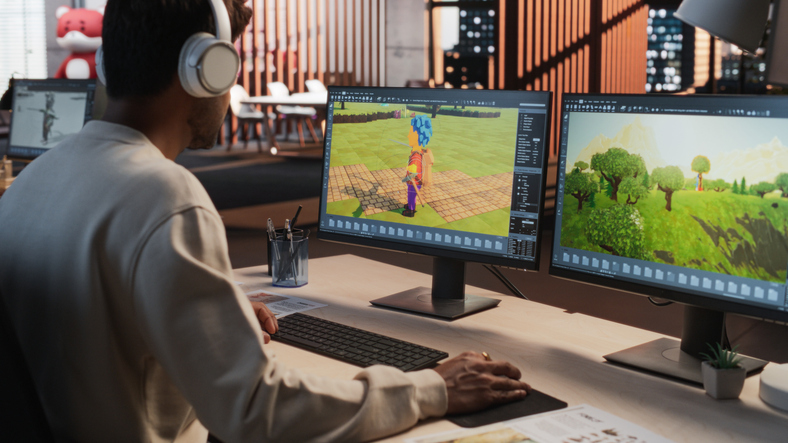
The global 3D animation industry is undergoing one of the most significant transformations in its history. By 2026, artificial intelligence, real-time rendering, and evolving visual styles are no longer emerging ideas. They are reshaping how animation is created, how artists are trained, and how studios hire talent. For students, professionals, and educators alike, understanding 3D animation trends in 2026 is no longer optional. It is essential for staying relevant in a field where tools, workflows, and audience expectations are changing faster than ever before.
AI has become a powerful accelerator in animation pipelines, but it has also created new questions. What skills still matter? How do animators stay competitive when automation is everywhere? And what kind of education prepares someone not just for their first job, but for a long-term career?
This in-depth guide explores the most important AI and 3D animation trends shaping 2026, what they mean for the industry, and how aspiring animators can prepare for a future that blends creativity with advanced technology.
The State of 3D Animation in 2026
3D animation is no longer limited to film and television. In 2026, it plays a central role across industries including gaming, virtual production, marketing, architecture, product design, education, healthcare, and interactive media. Several forces are driving this expansion:
- Artificial intelligence accelerating production workflows
- Real-time engines replacing traditional rendering pipelines
- Social media influencing animation formats and duration
- Demand for stylized, character-driven visuals
- Remote and cloud-based collaboration becoming standard
As a result, the definition of a “3D animator” has expanded. Today’s animators are expected to understand storytelling, design, software, collaboration, and increasingly, AI-assisted production.
3D Animation Trends 2026: From Tool to Teammate
How AI Is Used in Modern 3D Animation
Artificial intelligence is deeply integrated into animation workflows in 2026. Rather than replacing artists, AI is used to speed up early stages of production and reduce technical bottlenecks. Common AI applications in 3D animation include:
- Generating base 3D models from prompts or reference images
- Automating retopology and UV mapping
- Assisting with rigging and skinning
- Creating texture variations and materials
- Suggesting lighting setups and camera angles
- Accelerating previs and layout
These tools allow animators to focus more on creative decisions and less on repetitive manual work.
Why Human Skills Still Matter
Despite rapid advances in AI, studios still rely heavily on human judgment. AI can generate options, but it cannot replace artistic taste, storytelling instincts, or emotional understanding. In 2026, the most successful animators are those who can:
- Direct AI-generated outputs
- Refine and polish results
- Maintain visual consistency
- Make strong aesthetic choices
This is why animation education remains critical. Strong foundations in animation principles, drawing, design, and storytelling are what allow artists to use AI effectively instead of being replaced by it.
Real-Time Rendering Becomes the Industry Standard
The Shift Away from Traditional Rendering
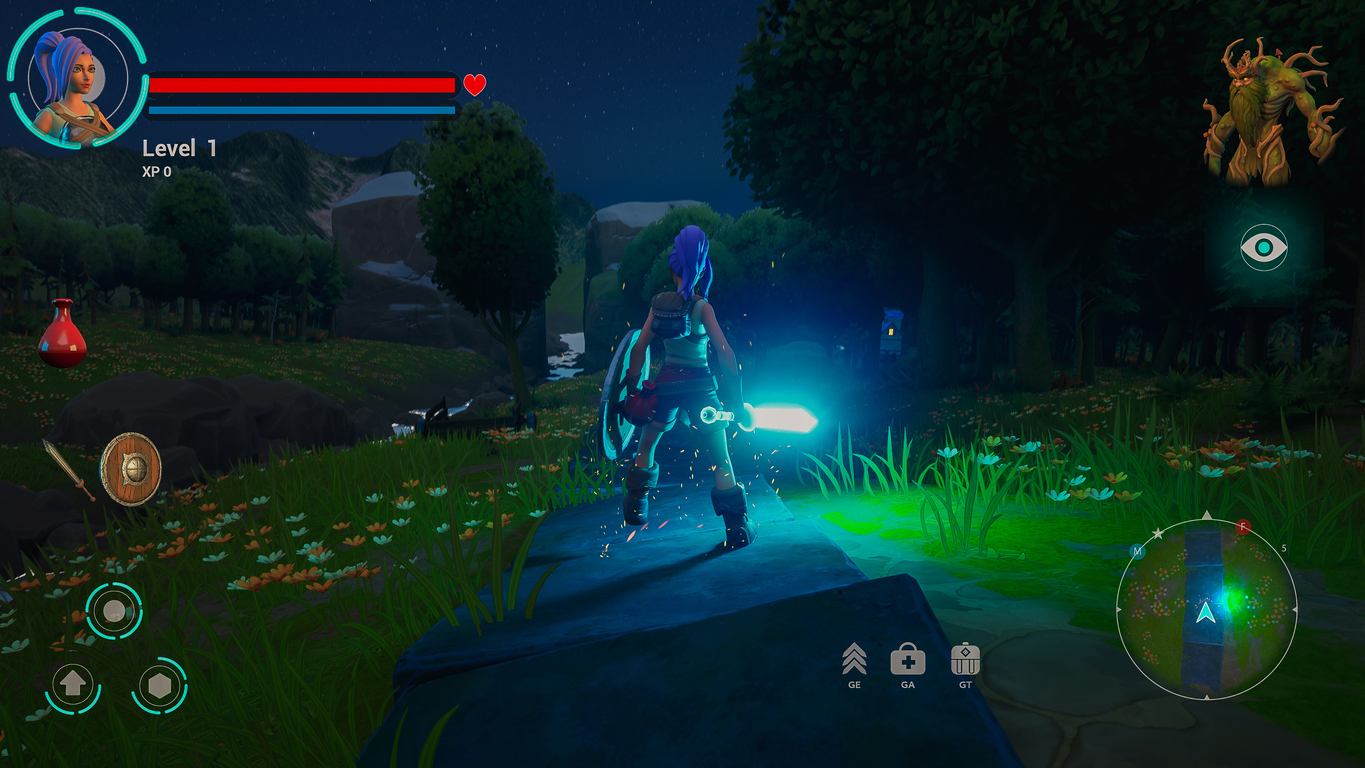
One of the most impactful 3D animation trends in 2026 is the widespread adoption of real-time engines such as Unreal Engine and Unity. These engines allow animators to see near-final results instantly, transforming how animation is produced. Real-time rendering is now used in:
- Animated films and series
- Game development
- Virtual production
- Motion graphics
- Interactive and immersive experiences
Instead of waiting hours or days for renders, artists can iterate in real time, dramatically speeding up production.
What This Means for 3D Animation Careers
Real-time workflows require animators to think differently about lighting, materials, cameras, and performance. Education programs that introduce students to real-time engines prepare them for a much wider range of roles across animation, games, and emerging media.
Blender’s Role in 3D Animation Trends 2026
Open-Source Software Goes Professional
Blender has become one of the most influential tools in 3D animation. Entire films, commercials, and series are now produced using Blender alone. Its popularity continues to grow because it offers:
- No licensing fees
- Fast development cycles
- Strong real-time viewport performance
- Powerful modeling, animation, and simulation tools
- A massive global community
For aspiring animators, Blender has removed many traditional barriers to entry while still providing professional-grade capabilities.
Learning Multiple Tools Is Now Essential
While Blender is powerful, it is only one part of the modern pipeline. Studios expect animators to adapt quickly to new tools. Education programs that expose students to multiple industry-standard applications help build long-term flexibility.
Stylized and Anime-Inspired 3D Animation Continues to Rise
Moving Beyond Photorealism
One of the clearest 3D animation trends 2026 is the growth of stylized visuals. Anime-inspired rendering, cel shading, painterly lighting, and non-photorealistic rendering are now mainstream. These styles dominate:
- Games
- Streaming series
- Short-form animation
- VTuber content
- Music videos
Stylized animation allows creators to stand out visually and connect emotionally with audiences.
Why Stylization Rewards Strong Fundamentals
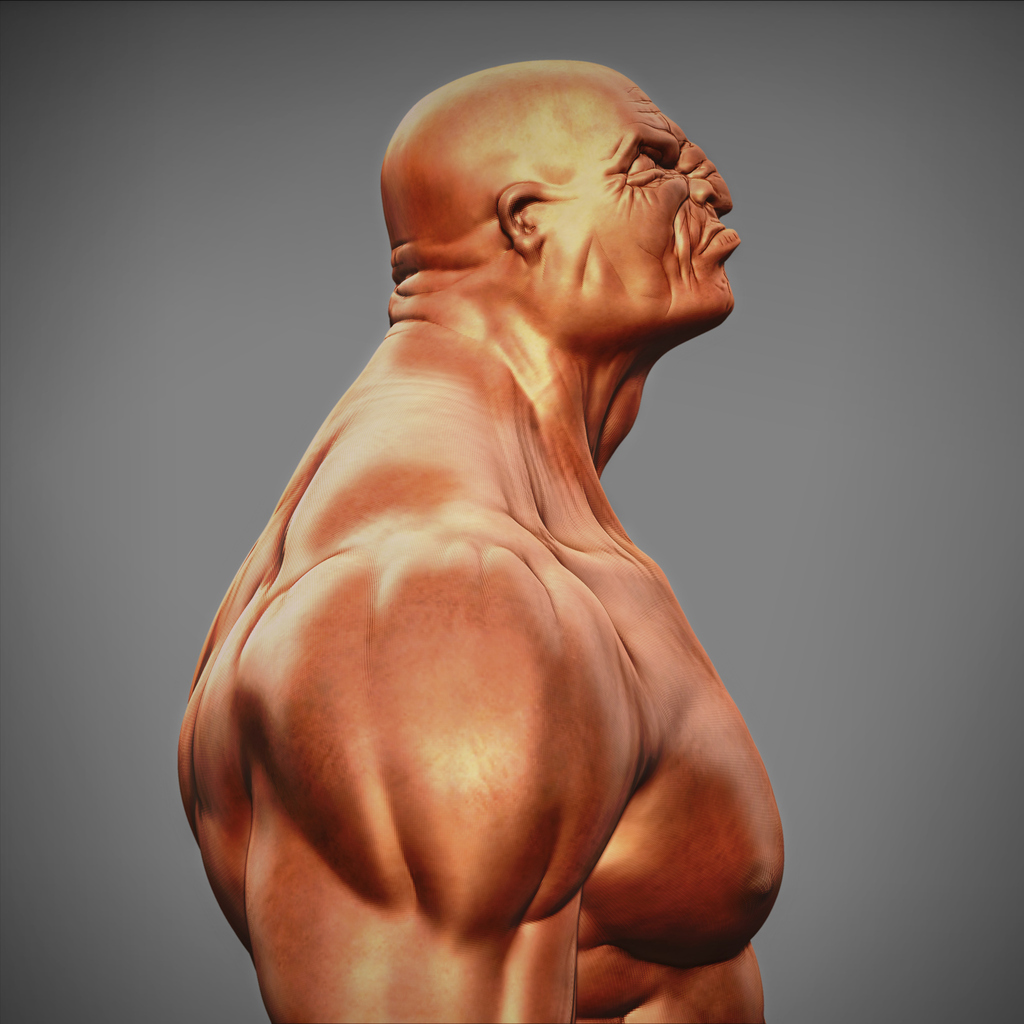
Stylized animation relies heavily on drawing skills, composition, color theory, and motion principles. This is why animation education still emphasizes traditional art skills alongside digital tools.
Hybrid 2D and 3D Animation Becomes a Core Skill
Blending Depth with Expression
Hybrid animation that combines 3D environments with 2D lines, textures, or painterly effects is now widely used across the industry. This approach allows animators to:
- Use 3D for camera movement and spatial consistency
- Use 2D for emotional expression and artistic flair
Hybrid workflows are especially popular in feature animation, experimental shorts, and branded content.
Educational Value of Hybrid Animation
Programs that teach both 2D and 3D thinking help students become more versatile artists. This flexibility is increasingly valuable as studios seek distinctive visual styles.
Short-Form 3D Animation and Micro-Environments
Animation Designed for Digital Platforms
Social media has reshaped how animation is consumed. In 2026, many 3D animations are short, looping, and optimized for mobile screens. Popular formats include:
- Looping character animations
- Miniature diorama scenes
- Mood-based visual loops
- Stylized product animations
These pieces are faster to produce and ideal for portfolios, making them especially relevant for students and early-career animators.
Plushcore Characters and Brand Animation
Soft 3D Characters Dominate Digital Branding
Another major 3D animation trend 2026 is the rise of soft, rounded, toy-like characters often referred to as Plushcore. Brands increasingly rely on character animation to build emotional connections with audiences. These characters are used in advertising, social media, packaging, and interactive content.
Why Character Animation Skills Are in Demand
Character animation requires a deep understanding of motion, anatomy, expression, and storytelling. Education programs that emphasize character development help students access a wide range of creative roles.
Lo-Fi and Low-Poly 3D Animation Makes a Comeback
Embracing Imperfection in a World of AI
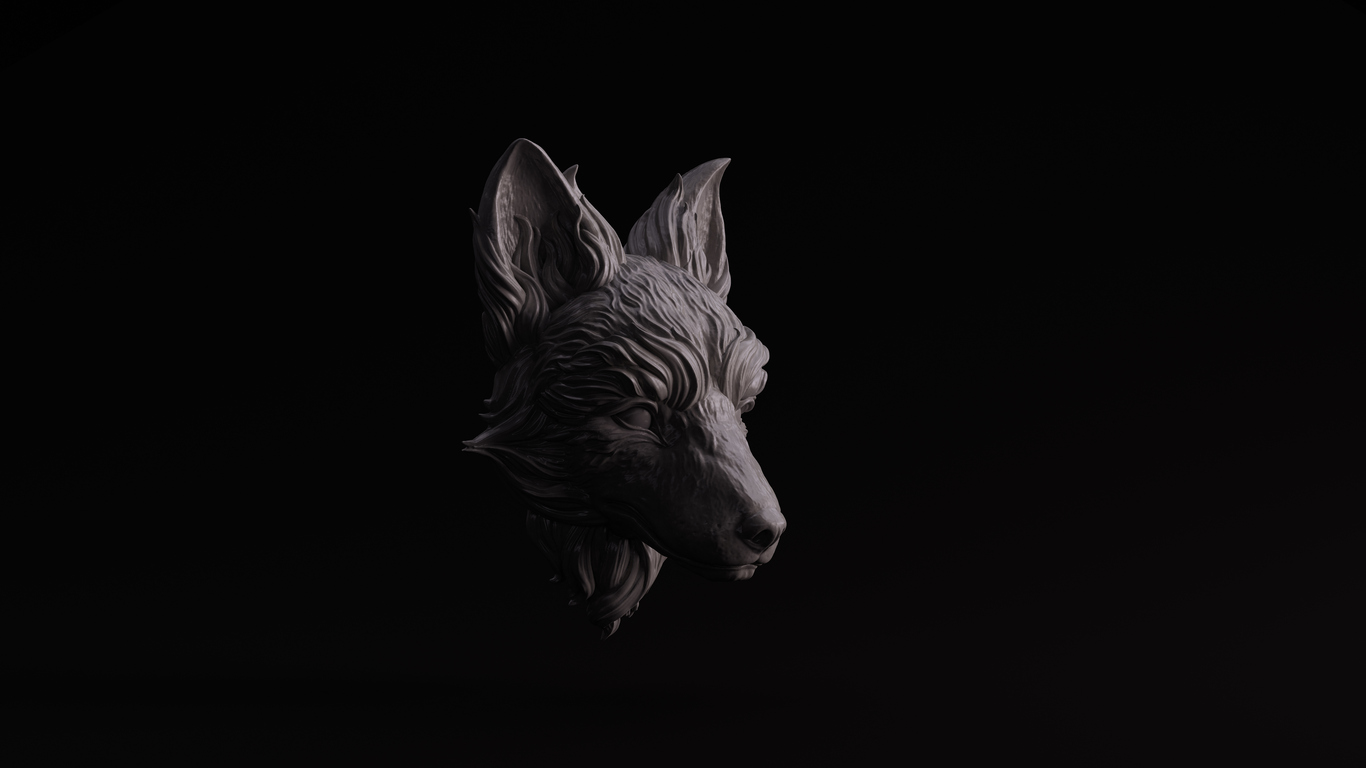
As AI-generated visuals become more polished, many artists are intentionally embracing lo-fi and low-poly aesthetics. These styles emphasize mood, concept, and individuality over realism. This trend highlights an important truth in 2026. Technology can automate production, but originality still comes from human creativity.
Expanding Career Opportunities in 3D Animation
Animation Beyond Entertainment
In 2026, 3D animation careers span many industries including:
- Film and television
- Games and interactive media
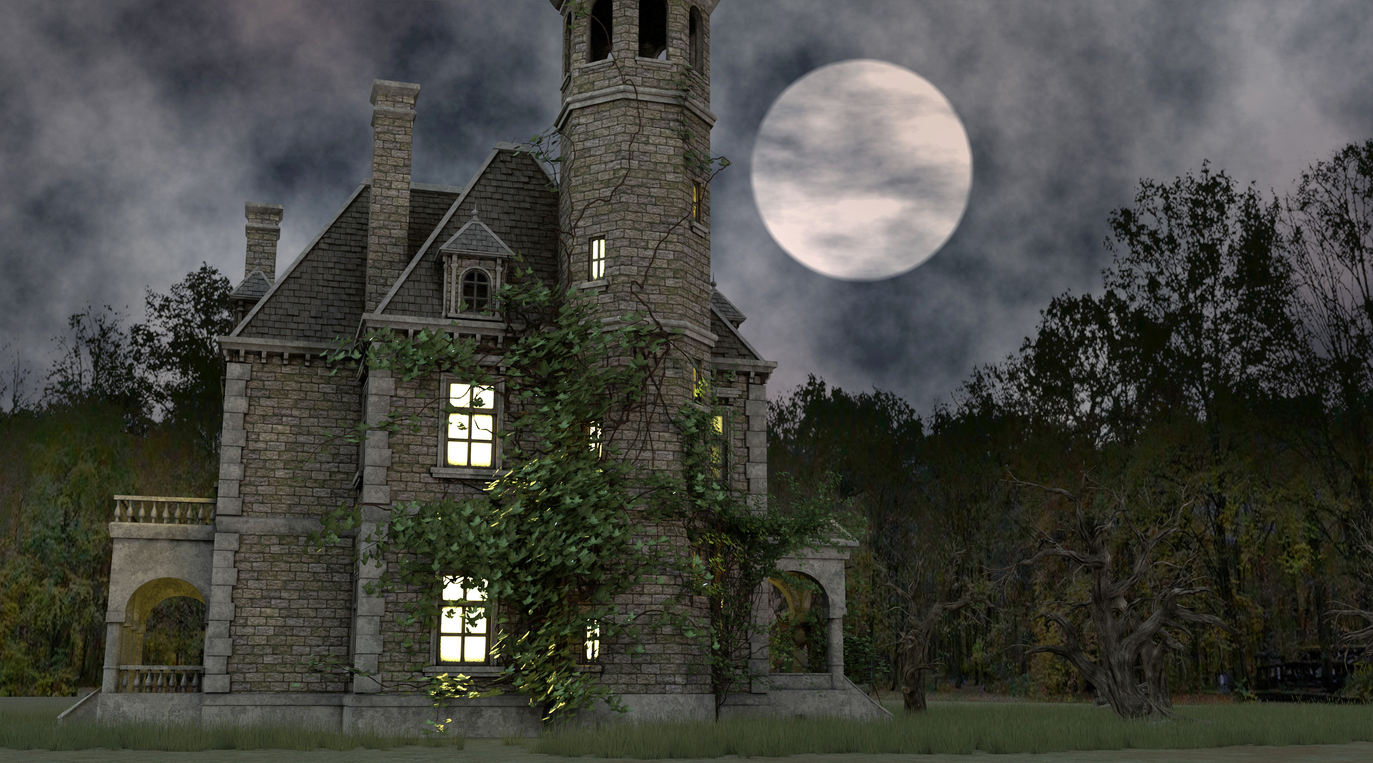
- Architecture and real estate visualization
- Medical and scientific animation
- Product and industrial design
- Marketing and advertising
This diversity means animators benefit from broad training rather than narrow specialization.
How Education Aligns with 3D Animation Trends 2026
Modern animation education must reflect current industry realities. Programs like VCAD’s 3D Modeling and Animation Diploma are structured to support these trends by combining:
- Artistic foundations such as drawing, design, and storytelling
- Training in industry-standard software
- Exposure to real-time engines and modern pipelines
- Hands-on, project-based learning
- Portfolio development aligned with industry expectations
Rather than focusing on one role, students develop adaptable skills that support long-term career growth.
Preparing for the Future of AI and 3D Animation
To succeed in 2026 and beyond, aspiring animators should focus on:
- Strong fundamentals in animation principles
- Comfort working with AI-assisted tools
- Understanding real-time rendering workflows
- Building a diverse, high-quality portfolio
- Continuous learning and adaptability
-
Education plays a critical role in developing these skills. Programs that emphasize both creativity and technology help students stay relevant as the industry evolves.
Conclusion: AI and 3D Animation Trends 2026 Point to a Creative Future
The future of 3D animation is not about choosing between art and technology. In 2026, success comes from combining both. AI accelerates workflows, but human creativity defines meaning. Real-time engines speed production, but storytelling creates impact. Stylization thrives alongside realism, and imperfection regains value in an automated world.
For those entering the industry, the most important decision is choosing an education that prepares them for change, not just current tools. Understanding AI and 3D animation trends 2026 is the first step toward building a sustainable, creative, and future-proof animation career.